Showing posts with label GARLIC. Show all posts

Saturday, April 11, 2020

Natural Approaches to COVID-19
From Dr. Andrew Weil
And Center For Integrative Medicine

Supplements are part of a regimen to boost your immune system.

Follow Foods For Long Life on Facebook, Pinterest, and IG.

Last Tuesday I listened to a live lecture with Dr. Andrew Weil, Dr. Randy Horwitz, Dr. Lise Alschuler and Dr. Esther Sternberg on Integrative Approaches to Covid-19. Let me try to summarize some of the knowledge they shared. The key theme was how to build your own immune system and strengthen your body's nature forces to fight off this deadly virus.

Dr. Andrew Weil 
Dr. Weil introduced the speakers and offered several suggestions of his own:

* Good nutrition, plenty of rest and sleep, and a positive mental state all contribute to building a strong immune system.

* Too much stress lowers your immunity and makes you more vulnerable to disease. One way to lower your stress is to do breathing exercises. He recommends the 4-7-8 breath.
Here's a link on how to perform his famous breathing technique. 

* Dr. Weil also highly recommends laughter. I know, it's hard to laugh during times like this but there are plenty of jokes flying around the internet these days so enjoy them!

Dr. Randy Horwitz
Dr. Horwitz explained a bit about the virus and the mechanisms of infection: 

* Although you can fit 700-1000 Covid-19 viruses across a human hair, it is considered rather large for a virus.  It is moderately highly infectious and virulent. The virus has one goal and that is REPRODUCTION and to take over the world. 

* The Achilles heal of the virus is its envelope. Made up of fats and proteins, it can be dissolved by soap. This is why we are being told to wash our hands with soap and water as it is very effective in destroying the virus.

Pre-Infection Stage
* The best thing to do to reduce the chances of being infected is to limit exposure. So sheltering in place and social distancing is very effective. 

* Maintaining a healthy lifestyle is also key - get plenty of sleep as sleep deprived people are more susceptible to the virus. Good nutrition, lowering stress, and taking selected supplements are also very important (we will talk more about supplements later.)

Viral Infection Stage
Here's what happens during the infection stage:

* The Covid-19 virus sneaks inside your cell and shoots in the virus's blueprint. Each of your cells has its own blueprint of what it is supposed to be replicating but the virus hijacks your cell's factory to copy its blueprint and now has changed the instructions. 

* The virus infects the cells of the upper respiratory system. The hijacked cells of your upper respiratory system releases new virus and destroys the ciliary cells. This is what causes the cough associated with Covid-19. 

* There are several things that can happen from here: One, your strong immune system could stop it or a weakened immune system may not be able to stop it and the virus could enter the lungs, replicate, and lead to pneumonia.

* Once this happens, the immune cells in the lungs become activated and go into overdrive. Fluid fills the alveoli (the little sacs that that line the lungs that allow the exchange of oxygen and carbon dioxide molecules to and from the bloodstream) and this prevents adequate gas exchange. 

* Now all hell is breaking lose. The macrophages in the lungs grab the virus and send out help signals to the body to send cytokines to help. 

* When the cytokines that increase immune activity become too abundant, the immune system goes into overdrive and starts to attack heathy cells. This is called a cytokine storm. The blood vessel walls get leaky and the lungs fill with fluid. Blood clots can also form throughout the body, further reducing blood flow. This leads to decreased oxygen and respiratory failure. 

* There is a fine balance to prevent a cytokine storm without inhibiting viral immunity.

Dr. Lise Alschuler
Dr. Alschuler discussed supplements. Although none of these recommendations are proven with respect to Covid-19, she recommended those with the highest likelihood of benefit and the lowest possible risk.

She discussed the 3 components to prevention. 1. Block viral docking, 2. Inhibit viral replications, and 3. Increase innate immunity.

Prevent Viral Entry and Docking
* The Covid-19 virus gets into human cells by targeting a specific receptor called ACE2 found on certain cells. Certain vitamins and supplements may be able to block ACE2 receptor binding:
    - Astragulus may be helpful in decreasing ACE2 receptor activity.
    - Quercetin binds to ACE2 receptors, taking the space that the virus is targeting.
    - Vitamin D3 reduces ACE2 activation
    - Elderberry inhibits viral attachment in a different corona virus and may do the same thing with Covid-19.

Reducing Viral Replication
    - Zinc reduces viral replication.
    - Quercetin acts as a zinc chelator and helps facilitate bringing zinc into the cells.
    - EGCG, found in green tea, also acts as a zinc chelator.
    - Elderberry inhibits replication of a different corona virus and may do the same thing with Covid-19.

Improving Innate Immunity
    - Vitamin D activates innate immune cells but too much can cause an overactive inflammatory response (or a cytokine storm) and cause a damaging response in the lungs. (Test for 25-hydroxy vitamin D. Deficiency is less than 30 nmol/L. Potential deficiency is between 30 and 50 nmol/L and normal levels are between 50 and 100 nmol/L.)
    - Vitamin C regulates pro-inflammatory cytokines.
    - Curcumin can also help surpress a cytokine storm.
    - Melatonin may reduce lung damage during the viral infection.
    - 7 to 10 servings of vegetables a day provides immunity boosting flavonoids.
    - Other supplements that help boost immunity include garlic, ECGC from green tea, quercetin, and mycelium extract.
    
Dr. Esther Sternberg 
Dr. Sternberg discussed the impact of stress and making your home a healing place.

A certain amount of brain stress is necessary and beneficial for peak performance but excess stress can lead to disease. The stress response strongly effects the immune system and chronic stress increases the frequency of viral infections and accelerates aging.

Reducing Stress
Dr. Sternberg's suggestions on reducing stress:
* Take control as best you can even though we are in a situation where many people feel out of control.   

* Focus on your own expertise and take that stress energy and turn it into something to help others. For example, today, instead of freaking myself out watching the news, I'm spending time sharing this good information with you!

*  Have virtual social gatherings. The other night we had a virtual cocktail hour with some friends that we hadn't seen in a while and it was really fun catching up. And we didn't have to drive across town, clean up the house or dress up. This might become a thing!

* Get a good night's sleep. EVERY speaker discussed this so it's super important. Increased activity helps improve your sleep. Circadian lighting where you expose yourself to bright sun light sometime between 8am and noon and reduce exposure to light in the evening, helps the body produce melatonin and enhances good sleep. 

* Exercise is a great stress reducer. So if it's allowed, get out of the house for a walk or run while remaining socially distanced. I myself dance to zumba tapes.

* Do Mind Body activities such as meditation, yoga, and breath exercises like the 4-7-8 breath Dr. Weil suggested above.

* Maintain a healthy diet. I have over 600 posts of healthy recipes in this blog so you can start here.

* Spiritual activities can greatly help stress. These are not always tied to religion - mine involve plants and gardening and appreciating the beauties of the universe and each other.

I hope this summary helps you understand more about Covid-19 and ways to strengthen your body to help prevent and fight this deadly virus.


Tuesday, August 02, 2016

Julienne Cut French-Style Green Beans Are Easy To Make With Flat Romano Green Beans

French-style green beans with tomatoes, garlic and basil.

Follow Foods For Long Life on Facebook and Pinterest.
For more recipes, download, Health Begins in the Kitchen.

Romano Green Beans
I love these flat green beans - they are one of my favorites to cook and grow. This year I ordered Johnny's seeds - Northeaster OG Pole beans, online. I don't think it's too late for you to plant them. In fact, I will start a second crop in a week so that I'll have more beans in the fall. 


These pole beans are growing up my hog wire fence
My daily harvest with 10 plants started from seed

French-Styled Green Beans
I love the look and texture of julienne cut, French-styled green beans but they are very difficult to make. It's so hard to julienne a round green bean that most people avoid making French-styled green beans. But when you start with a flat bean, it's a LOT easier.

Today's recipe uses Romano green beans, tomatoes, fresh basil, and garlic - all from my garden! Hopefully you have some of these in your garden or available at your local farmer's market. 

This recipe is very low in calories (less than 60 calories) and a great dish to make if you are watching your weight. 

                 *                           *                           *

French-Style Green Beans with Tomatoes and Basil
Vegan, Gluten and Dairy Free
[makes 4 to 6 servings]

Requirements
Medium saucepan for blanching and 10-inch frypan with cover.

Ingredients
12 ounces flat, Romano green beans
1 large or 2 small tomatoes (~9 ounces)
1 tablespoon extra virgin olive oil
2 cloves garlic, minced or pressed
2 tablespoon chopped fresh basil
1/2 teaspoon salt, or to taste
1/4 teaspoon black pepper, or to taste

Directions
Fill a medium saucepan with water and bring to a boil. 

Clean the green beans and trim the tops. If they are very long (8 inches or more), cut in half and place them on a cutting board.


Cut the long beans in half
Thinly slice the beans vertically, being very careful not to cut yourself and set aside.


Cut the stem top off the tomatoes and place in boiling water until the skin starts to loosen, about 60 seconds. Remove from the water with a slotted spoon and let cool to the touch. Do not pour out the boiling water - you will be using it to blanch the beans. Keep the heat on the water. 

Peel the skin off of the tomatoes and dice, retaining all the juices. Set aside.

Place the julienned beans in the boiling water and blanch for 3 minutes. Drain the beans.

Heat the oil in the frypan on medium-low heat and cook the garlic until fragrant, about a minute or less. 

Add the blanched beans to the pan and toss in the oil and garlic. 

Add the diced tomatoes with their juices, the fresh basil, salt and pepper. Cover and cook a few minutes until the beans and tomatoes are the desired texture.


Cover and cook until beans and
tomatoes reach the desired texture. 

Serve as a side dish as is or over a grain. Doug and I ate the entire recipe over rice for lunch with a sprinkle of Go Veggie Vegan Parmesan Grated Topping.

Nutrition
Per serving (4): 58 calories, 3 g total fat, 0 g saturated fat, 0 mg cholesterol, 57 mg omega-3 and 352 mg omega-6 fatty acids, 2 g protein, 7 g carbohydrates, 3 g dietary fiber, and 296 mg sodium.

Per serving (6): 39 calories, 2 g total fat, 0 g saturated fat, 0 mg cholesterol, 38 mg omega-3 and 235 mg omega-6 fatty acids, 1 g protein, 4 g carbohydrates, 2 g dietary fiber, and 197 mg sodium.


Wednesday, January 20, 2016

How To Make Your Own Cough Syrup
Avoid Dangerous Over-The-Counter Products

Over-the-counter cold remedies can be dangerous.
So try making your own!

Follow Foods For Long Life on Facebook and Pinterest.

What's In Your Cough Syrup?
You can tell that it's cold and flu season by the melodious sound of hacking coughs in the supermarket, airplanes, schools, and in the office. A cough can disrupt your sleep and leave you exhausted. 

Most people think that over-the-counter medications are pretty safe and when faced with a never-ending cough, are desperate to try anything. But like many pharmaceutical drugs, the side effects can be more dangerous than the symptoms you are trying to suppress. Especially when you take too much. And when you can't stop coughing, sometimes it's easy to take a bigger slug that what is prescribed.

Many cough syrups contain DMX, or Dextromethorphan. Side effects of taking too much DMX can include:
* Blurred vision
* Confusion
* Drowsiness or dizziness
* nausea or severe vomiting
* difficulty in urination
* shakiness and unsteady walking
* slowed breathing
* unusual excitement, nervousness, restlessness, or severe irritability

In addition, some children do not have the enzyme to metabolize this drug so this becomes an extremely dangerous remedy. Many teens use and abuse cough medicine containing DMX to get high which can be fatal. If you have young children in the house, it's a good idea not to have these types of medicines in the house.

OTC cough medicines may also contain other ingredients such as acetaminophen. Around 80,000 people a year end up in an emergency room for acetaminophen toxicity which can lead to severe liver damage.

Make Your Own
Once again, mother nature comes to the rescue. With a few simple ingredients, you can make your own cough syrup with real health benefits and no dangerous side effects. This syrup has these healthful ingredients:

Onions
Onions are in the allium family. For centuries, they have been used as a medicine. Egyptian physicians recommended the onion for literally thousands of separate ailments.  Rich in the antioxidant quercetin (and other flavonoids), they stimulate the immune system, protect against oxidative stress, and act as a natural decongestant. 

Garlic
Also in the allium family, garlic has been used throughout ancient history for its medicinal properties. Rich in the sulfur compound allicin, it bolsters the immune system and is a potent antibiotic. It has antibacterial, anti fungal, and antiviral properties as well.

My garlic harvest.

Ginger
Although ginger is most notably used for nausea, it is a natural decongestant and antihistamine. It can warms the upper respiratory tract and is useful in treating symptoms of colds and flu.

Honey
Although many vegans avoid the use of honey in daily cuisine, it remains an important medicine due to its strong antimicrobial properties and wound healing abilities. These properties have been documented in the oldest medical literature. With respect to cough suppression, some believe it is as effective as dextromethorphan. It is also used to treat infections of the upper respiratory tract. 

             *                             *                           *            

Here's a simple recipe for the relief of chess congestion and coughing. I make this in very small batches since it is best when fresh. Store in the refrigerator and make a new batch ever two or three days.Take as much as you need to control your cough. No one has ever OD'd on onions and garlic but I wouldn't advise going on a first date. 

Homemade Cough Syrup
[makes ~ 3 to 4 tablespoons]

Allow 8 to 24 hours for extraction. You can use an Instant Pot, yogurt maker, or just a warm spot in your kitchen.

Ingredients
1 organic onion
1/2 teaspoon freshly grated organic garlic
1/2 teaspoon freshly grated organic ginger
1/4 cup raw honey

Directions
Peel the onion and cut in half vertically. Thinly slice the onion in half moons and place in a glass pint jar. 


Combine the garlic and ginger with the honey and pour over the onions. Mix well and push down so the honey is above the onion mixture.


Place the jar in your Instant Pot and hit the YOGURT setting. Cover with a regular lid and let sit until juice forms. If you don't have an Instant pot or yogurt maker, just cover the jar and place it in a warm spot in your kitchen. Either method will take 8 to 12 hours. If it doesn't get juicy enough, let it sit longer. 

Using a fine mesh strainer, strain the mixture into a small jar. Cover and refrigerate until needed. It tastes better than you'd think, even with the garlic and onions! 


I hope this recipe brings you some relief.

P.S. 
I hated to waste the onion mixture, so I rinsed off the honey (not necessary) and tossed it in my Instant Pot with some beans. Pretty yummy.


Wednesday, July 08, 2015

Move Over Kale
Turnip Greens Are A Nutrient Powerhouse!
Easy Instant Pot Recipe

I'll share a secret ingredient that cuts the bitterness!

Follow Foods For Long Life on Facebook and Pinterest.
Preview my eBook, Health Begins in the Kitchen.

Just a Few Seeds
After I planted one of my raised beds, I had some room between rows of bell peppers and eggplants. Since they tend to grow straight up and not spread out too much, I thought I'd throw a couple of turnip seeds here and there. I noticed that the top of the greens were growing nicely and weren't getting burned like chard usually does or attacked by aphids like my kale. Before I knew it, the turnips were ready to harvest and the greens were enormous. I was really surprised because the last time I planted turnips, I didn't have this kind of success.

Do Not Fear the Bitter Greens
I rarely go buy turnip greens because I love kale and always have tons of kale growing year-round in my garden. Also, turnip greens can sometimes be a bit too bitter. But with just a little balsamic vinegar, you can cut the bitterness of these nutritious greens and enjoy their wonderful and unique flavor. 

A touch of balsamic vinegar cuts the bitterness.

Move Over Kale
As far as nutrition goes, turnip greens can stand up to kale, the gold standard of nutrition. And in many areas, they outperform kale. Let's compare:

Turnip greens and kale are both low in calories, 29 calories vs. 36 calories per boiled cup and both have .5 grams or less of fat.

They are both very good sources vitamin A, C, K and B6 but turnip greens also provide 42% of the daily requirement of folic acid, 10 times the amount you get from kale.

In the mineral category, turnip greens and kale are both very good sources of calcium, iron, magnesium, potassium, copper and manganese. However, turnip greens have more than twice the calcium as kale providing 197 mg per cooked cup vs. 94 mg from kale. 

Turnip greens also have more than twice the vitamin E as kale, with turnip greens providing 14% of the daily requirement in one cooked cup. 

When selecting any nutritious food, I look to see its fiber content. Both greens have a very high fiber per calorie content but turnip greens have twice the fiber as kale with a whopping 5 grams per cooked cup versus 2.6 grams in a cooked cup of kale. 

Although kale has more protein than turnip greens, (2.5 g per cooked cup versus 1.6 g), turnip greens have higher protein quality. In fact, they contain all the essential amino acids and are a complete protein. 

I'll always love kale and I find it more versatile (I'm not inclined to throw turnip greens in my smoothie yet) but after looking deeper into the relative nutrition, I will seek out my bitter friend more often.

What About the Turnips
Today I'm cooking the greens with you but I am making a big pot of Zucchini and Turnip Soup with the turnips.

        *                            *                         *                            *

Instant Pot Turnip Greens with Garlic and Onions
Vegan, Dairy Free, Gluten Free
[makes 6 servings]

Requires Instant Pot Electric Pressure Cooker. 

Ingredients
1 1/2 pound turnip greens
1 tablespoon extra virgin olive oil
1/2 large onion, thinly sliced
2 garlic cloves, thinly sliced or minced
1 tablespoon balsamic vinegar
1/4 cup veggie broth
Salt and black pepper to taste

Directions
Prepare the greens by washing and removing the stems.


Roll the leaves and cut into 1/2 inch slices. Set aside.

Set the Instant Pot on sauté. After it heats, add the olive oil, onion and garlic. Cook until the onion softens, several minutes. 

Stir in a large handful of greens. As they quickly wilt, stir in another handful. 


Stir in the balsamic vinegar and season with salt and pepper.

Turn the Instant Pot off. Secure the lid making sure that the top vent of the pot is closed and hit the "manual" button. Set the pressure cooker time for 3 minutes at high pressure. 

When complete, hit the "off" button and do a quick release of the pressure. Open the lid carefully. Stir the greens and onions, adjust salt and pepper if needed, and serve immediately.


Nutrition
Per serving: 60 calories, 1 g total fat, 0 g saturated fat, 0 mg cholesterol, 101 mg omega-3 and 119 omega-6 fatty acids, 2 g protein, 11 g carbohydrates, 4 g dietary fiber, 47 mg sodium (not including added salt and sodium from veggie broth).


Wednesday, July 01, 2015

Zucchini Tomato Casserole With Garlic And Basil
Easy To Make - Vegan And Gluten Free


Makes a great side dish for the 4th of July!

Follow Foods For Long Life on Facebook and Pinterest.

Preview my eBook, Health Begins in the Kitchen.


Garden Goodies
My tomatoes are starting to come in. I'm buried in zucchini. I just harvested and cured more than 40 heads of garlic and I have some lovely fresh basil too. It all ended up in this simple and super tasty casserole. I honestly think it's one of the yummiest things you can do with these ingredients.

Like a Lasagna but without the Carbs and Cheese
This dish is like making a lasagna but so much easier because you don't precook noodles or have 3 different cheeses to mess with. But the pesto-like sauce gives it so much flavor, it doesn't need anything else.

               *                         *                            *

Zucchini Tomato Casserole with Garlic and Fresh Basil
Vegan, Dairy Free, Gluten Free
[makes 4 servings]

Requires 9" x 11" casserole dish with cover. If you do not have a cover, you can tent with aluminum foil but make sure not to allow the foil to touch the tomatoes.

Ingredients
3 tablespoons extra virgin olive oil plus some for the pan
3 tablespoons chopped fresh basil
3 cloves garlic, pressed
3 tablespoons vegetable broth
3 medium (fat) zucchini (2 lbs)
2 to 3 large tomatoes
Salt and pepper to taste

Directions

Preheat the oven to 375 degrees F.

Make the pesto-like sauce by mixing 3 tablespoons of the olive oil with the basil, pressed garlic, and broth. Stir until well combined and set aside.

For the nicest presentation and easy serving, use zucchini that is the width of the pan. So if you are using a 9 by 11 inch pan, use a zucchini that, once cleaned and trimmed, will be 9 inches long.

Slice the zucchini in 1/4 inch slices. Slice the tomatoes thin also.


Coat the bottom of the pan with a little olive oil. Place a layer of zucchini on the bottom of the pan. Spread about 1/3rd of the basil garlic mixture over the zucchini.  Cover with a layer of tomatoes. Sprinkle a little salt and pepper over the tomatoes (not too much because there will be other layers.)

Repeat with another layer of zucchini, another 1/3rd of the basil garlic mixture, another layer of tomatoes, salt and pepper.

Repeat with the last layer of zucchini, some but not all of the remaining basil garlic mixture, and the rest of the tomatoes. Spoon the rest of the basil garlic mixture over the top layer of tomatoes. Salt and pepper the tomatoes if needed.


Ready to bake.


Cover and place in the preheated oven until the zucchini is fork tender, about 35 minutes. Remove the cover and bake another 10 minutes.

Serve as a side dish or over a grain as a light meal.


Tuesday, January 20, 2015

Creamy Vegan Broccoli And Cauliflower Soup With Garlicky Clamshell And Pioppini Mushrooms
Packed With Foods For Long Life

Contains 7 of my Top 20 Foods For Long Life
Dairy and gluten free and only 134 calories per serving!

Follow us on Facebook and Pinterest.

Food Makes a Great Gift
Who doesn't love a beautiful gift basket - especially when it's full of mushrooms! This beautiful 2 pound gourmet mushroom basket from Gourmet Mushrooms Inc. inspired lots of meals last week. Meals like mushroom risotto, mushroom frittata, mushrooms and kale, and more. But my favorite and healthiest creation was this Creamy Broccoli and Cauliflower Soup with Garlicky Clamshell and Pioppini Mushrooms. 

Mycopia Mushroom Gift Basket 

Now that you have my list of Top 20 Foods For Long Life, it's fun to see just how many longevity foods you can pack into one recipe. This one has seven: two cruciferous vegetables (broccoli and cauliflower), mushrooms, two alliums (garlic and onions), fresh lemon juice, and extra virgin olive oil. To top it off, this recipe is very low in calories and packed with a pound-busting 15 grams of fiber, so if you are trying to lose weight, having this for lunch or dinner is a great way to do it.

Alba clamshell, brown clamshell, and velvet pioppini mushrooms are used in this soup but you can substitute any others.

For additional healthy recipes, download my eBook, Health Begins in the Kitchen. 

          *                       *                         *                       *
Creamy Broccoli and Cauliflower Soup with Garlicky Mushrooms
Vegan, Dairy Free, Gluten Free
[makes 8 servings]

Requires a blender or immersion blender

INGREDIENTS
8 ounces of gourmet mushrooms (like clamshell and pioppini)
1 tablespoon extra virgin olive oil 
3 cloves garlic, minced
6 cups veggie broth*
1 medium onion, diced
2 stalks celery, diced
1 pound yukon gold potatoes, peeled and diced
1 medium head cauliflower, bottom leaves removed and cut into pieces
12 ounce broccoli crown, cut into florets
1 teaspoon fresh thyme or 1/2 teaspoon dried
2 tablespoons nutritional yeast 
2 tablespoons freshly squeezed lemon juice
salt and pepper to taste
3 tablespoons fresh parsley
* I like to use a Rapunzel vegan bouillon cube in water for the broth. The bouillon cube also provides the necessary salt for flavor.

DIRECTIONS
Break clamshell and pioppini mushrooms apart and set aside. If using larger mushrooms, such as crimini, cut into small slices and set aside.

In a 5-quart Dutch oven, heat the oil over medium heat and sauté the garlic until fragrant, about 1 minute or less. Add the mushrooms and cook until they release their liquid, stirring frequently, about 5 minutes. If they start to stick to the pot, add a tablespoon of water. Salt and pepper to taste, remove from the pot, cover and set aside.

Saute mushrooms with garlic, salt and pepper.
Once cooked, remove, cover and set aside.

Without washing the pot, add the broth, onion, celery, potatoes, cauliflower, broccoli, and thyme and bring to a boil on high heat. Reduce the heat to medium-low and simmer, covered, until the vegetables are cooked, about 20 minutes. 


Add the nutritional yeast and blend in batches. Return blended soup to the pot.

Stir in the lemon juice. Add salt and pepper to taste. Stir in the mushrooms, saving a few to garnish each bowl. Heat to the desired temperature.


Serve in individual bowls. Top with the reserved mushrooms and fresh parsley.


NUTRITION
Per serving: 134 calories, 2 g total fat, 0 g saturated fat, 60 mg omega-3 and 243 mg omega-6 fatty acids, 6 g protein, 22 g carbohydrates, 15 g dietary fiber, and 50 mg sodium (does not include added salt). 


Tuesday, January 06, 2015

Top 20 Foods For Health And Longevity
Start 2015 Off Right With These Foods In Your Diet

Follow Foods For Long Life on Facebook and Pinterest.

Why Diets Don't Always Make You Healthy
I'm trying to lose a few holiday pounds right now and I'd guess most of you are too. But as we focus on the scale we often lose site of our health. And shouldn't good health really be the goal? So instead of following a fad diet that may not be good for in the long run, let's fill our plates with the most fiber-rich, nutrient-dense and delicious foods we can and then we won't have room for or crave the bad stuff! I guarantee you will lose weight and won't be the least bit hungry.

After six years and more than 500 Foods For Long Life posts, I thought it was time to list the foods that I think are most important for health and long life. So here it is, my top 20 foods with some popular recipes that use them. I could have just as easily written about 50 of them but my husband discouraged me from doing that. I'll have to save that list for my next book. 

Top 20 "Foods For Long Life"

#1 - Beans
Whether or not you are a vegetarian or vegan, beans should be your main source of protein. I try to eat at least a half cup to one cup of cooked beans per day. Beans provide protein without the saturated fat and cholesterol that you get with meat. They are also a great source of fiber, iron, calcium, magnesium, B vitamins and antioxidants. The mixture of protein and dietary fiber supports the regulation and balance of blood sugar.
For example:
1 cup of cooked lentils provides 18 grams of protein, 16 g of dietary fiber and 90% of the daily requirement of folate.
1 cup of cooked black beans have 15 grams of protein, 15 g of dietary fiber and 64% of the daily requirement of folate as well as 120 mg of magnesium.
1 cup of cooked soybeans provides 175 mg of calcium and half your daily requirement of iron.
1/2 cup of dried small red beans have more antioxidant capacity that 1 cup of wild blueberries.

Soaking beans and discarding their soak water removes some of the phytates and tannis that can lower the availability of certain nutrients. It also reduces substances that cause flatulence. Mix it up and try different types of beans. My favorite places online to shop for a wide variety of beans are Purcell Mountain Farms and Rancho Gordo.


Black beans
Marrow beans

#2 Kale and other Leafy Greens
Kale is my favorite green (it's also a cruciferous vegetable). It grows easily in the garden throughout the year in a temperate climate like we have here in Northern California. It's so nutrient-dense that it's like a leaf-shaped vitamin pill. I serve my family at least one cup of raw or 1/2 to 1 cup of cooked greens every day. Always select organic greens as they are on EWG's "Dirty Dozen" list. 

My favorite way to prepare kale is to eat it raw in a salad by first marinating it in a little extra virgin olive oil, freshly squeezed lemon juice and a pinch of salt. Or, steam it in a pressure cooker for 2 minutes followed by a quick release of pressure, or sauté it in a pan with a little olive oil, water and garlic. It's also a great addition to your morning smoothie!


Shredded kale and quinoa salad

Or, start your morning with my personal favorite breakfast: a Kale Bowl with Quinoa and Avocado. 


Kale bowl

Other wonderful leafy greens include collards, chard, turnip greens, spinach and mustard greens. 

#3 Wild Blueberries and other Berries
Wild blueberries are antioxidant powerhouses. They support heart health and can help improve memory and other cognitive functions. They also have a low glycemic index so they don't spike your sugar level like some other fruits do. In fact their high fiber content and low glycemic index can help regulate blood sugar levels in people with type-2 diabetes. 
Regular (not wild) blueberries, raspberries, blackberries, strawberries also have high antioxidant properties so add them to your shopping cart too. I always try to buy organic berries when available. I try to have berries at least 4 times a week. When they are in season, I eat them everyday, especially when my raspberry bushes are producing. 

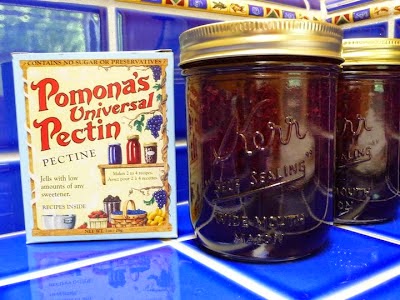
I put berries in my smoothies, fruit salads, chia pudding, green salads and home-made ice cream. When I have extra, I make low-sugar jam with Pomona Universal Pectin. Select organic berries, especially strawberries as they are on EWG's "Dirty Dozen" list. 


Blueberry smoothie


#4 Tomatoes 
I'm Italian so tomatoes are going to be high on this list no matter what. But luckily they are a very good source of vitamin C, vitamin A, vitamin E, vitamin K, copper, potassium, manganese, and B vitamins. They are best known for their antioxidant benefits as well as the long list of phytonutrients that they contain, the most touted being the carotenoid "lycopene." Tomato consumption has been associated with  lowering the risk of prostate cancer. It has also been linked to reducing the risk of heart disease and improving bone health in postmenopausal women. Tomato lycopene is most effective in reducing heart disease, and other risk factors, when combined with olive oil, which makes me even happier. 

Of course we make a lot of tomato sauce with our garden tomatoes and when we have a big harvest, we can diced tomatoes and tomato sauce for the winter. But we also use them in salsa, salads, soups, sandwiches, stews, and more. In the summer we eat tomatoes every day. In the winter we avoid the ones in the supermarket since they taste like plastic but we enjoy the ones we canned a few times a week. Select organic, especially when buying cherry tomatoes as they are on EWG's "Dirty Dozen" list.


Stuffed tomatoes

#5 Omega-3 Power Seeds: Chia, Hemp and Flax
These power seeds are extremely important to the diet, especially if you do not eat fish. They are an excellent source of ALA omega-3 which is critical for heart health, brain development, reducing inflammation and joint pain, managing depression, preventing dry eyes, lowering cholesterol, controlling high blood pressure, protecting your bones and more. 
Flaxseeds contain the most omega-3 of the power seeds but hemp contains the most protein and chia has the most fiber and calcium. So we eat at least one of these seeds every day.

For more critical information on omega-3 and what these power seeds can and cannot do for vegans, read my January, 2011 blogpost.

When we bake, we substitute flax eggs for eggs by mixing 1 tablespoon of ground flax seeds with 3 tablespoons of water.  We sprinkle hemp seeds on almost everything including our oatmeal, raw fruit or green salads and use cold-pressed hemp oil in our salad dressings. We make chia seed pudding for dessert or use chia seeds to thicken smoothies or salad dressings. We certainly eat at least one of these seeds every day. 


Chia pudding 

Flaxseeds are the foundation for raw crackers. If you have a dehydrator, try these Raw Omega-3 Rich crackers.

Raw crackers

#6 Salmon and other Low Mercury, High Omega-3 Seafood
If you read my January, 2011 blogpost, you will see that it may be difficult for you to get enough EPA and DHA from just consuming the ALA omega-3 from power seeds. Not everyone can efficiently convert ALA to the critical EPA and DHA omega-3. Vegans who do not eat fish should consider taking a supplement that extracts these forms of omega-3 from algae. For those of you who eat seafood, you should select those that have the highest amount of DHA and EPA omega-3 and the lowest amount of mercury. Anchovies, herring, Pacific oysters, and salmon are all low in mercury and contain the highest concentration of DHA and EPA omega-3. Consider eating 2 to 3 servings per week.

Since we live 20 minutes from Bodega bay, we are able to get wild, line-caught salmon. 

Salmon is low in mercury and rich in DHA & EPA omega-3

#7 Lemons and Limes
Although lemons and limes taste acidic, they are actually alkalinizing in the body. They also rich in vitamin C and contain phytonutrients that have antioxidant and antibiotic effects. They have even been shown to protect against cholera!

But aside from their many medicinal uses, from relieving asthma and fighting colds to reducing the risk of gout, I encourage using these wonderful fruits in cooking for their ability to enhance the flavor of a dish without having to use excessive salt. 

I use the juice and/or the grated peels of lemons and limes in salad dressings, salsa, smoothies, hot or iced tea, as a marinade for kale, to bring out the flavor in soups, to flavor pesto without parmesan, in hot water as a cleansing beverage, as a flavoring for cooked greens and other veggies, and so much more. I use fresh lemons or limes every day. 

Squeeze half a lemon into a cup of warm water in the morning for a nice cleansing effect. 
If you have a lemon or lime tree, here's a good way to store the juice and zest.


#8 Garlic
Part of the Allium family (a cousin to onions which should also be part of your daily diet), garlic contains powerful sulfur-containing compounds that give it its reputation for promoting health. Garlic is known to promote heart health by having strong anti-inflammatory properties. These properties also may help with other illnesses caused by inflammation. Garlic also has the ability to control infections from bacterial, viruses, fungi and yeast and has properties that can lower the risk of many cancers. 

Crushing and chopping garlic allows the conversion of alliin into allicin, the compound that provides you with its health benefits. Let the crushed or chopped garlic rest for 5 to 10 minutes before cooking it or adding it to lemon juice or any ingredient that is acidic, or it will quickly reduce the allicin content. In any recipe that uses garlic, I chop or crush it first before doing anything else so that it can rest and develop its superpowers! Use it everyday if possible. 

I use garlic to flavor salad dressings, I sauté it and add it to just about everything I cook. It is the main flavor in pesto and hummus. 

Try making this Chimichurri Sauce.


#9 Broccoli and other Cruciferous Vegetables
I have met many children who will not look at a vegetable but for some reason they love broccoli. One child told me that it was because they look like little trees. 

Broccoli's most important characteristic is its ability to help prevent cancer. It does so because of three characteristics. It's a powerful antioxidant. It has anti-inflammatory properties and the ability to promote and regulate detoxification at the cellular level. Most research has shown a link between broccoli and decreased risk of prostate, breast, colon, bladder and ovarian cancer but it may very well lower the risk of many other types of cancer also. A half-cup serving a day or a two-cup serving twice a week would provide these benefits. 

Broccoli is also low in calories and high in fiber - a great combination when trying to lose weight. Because of its anti-inflammatory properties, it is may also help prevent heart disease. It's high concentration of lutein and zeaxanthin make it an important food for eye health. 

And don't forget to eat the broccoli leaves. In fact, in our garden, we live off of the delicious leaves long after we've removed the head of broccoli. 


Broccoli leaves

The healthiest way to cook broccoli is to briefly steam at low temperature, about 5 minutes. I cook it for only a minute in my Instant Pot Pressure Cooker and then release the pressure immediately. Then I toss it with a mixture of extra virgin olive oil, cold-pressed hemp oil, lemon juice, pressed garlic and salt. 

Some of my other favorite and health-promoting cruciferous vegetables include arugula, bok choy, Brussels sprouts, cabbage, cauliflower, collard greens, and kale. 

#10 Quinoa 
Years ago you probably had never seen quinoa in the stores or served in a restaurant but it has now become quite popular. Although it is served as a whole grain, it is actually a seed. Perhaps its most important quality, especially important to vegans and vegetarians, is that it provides all 9 essential amino acids and is considered a complete protein. It's also gluten-free, making very popular with those avoiding gluten.

We love quinoa. It's quick and easy to prepare. It takes 18 to 20 minutes on the stove and 5 minutes in my Instant Pot Pressure Cooker (with the added time to get to pressure and time for a natural release). I use it the same way I would use rice. It's great to stuff into bell peppers, winter squash, or tomatoes (as shown above). Serve beside a nice curry or stir fry dish.  We enjoy quinoa several times a week but it's important to mix up your grains. Alternate between quinoa, millet, rice, polenta, wheat berries, and other whole grains. 

Try Black Bean, Corn and Quinoa Stuffed Peppers with Enchilada Sauce.


#11 English Walnuts and Other Nuts
A recent study showed that 1 to 1.5 ounces of walnuts each day may help protect against Alzheimer's disease. Not a surprise as foods that resemble body parts are often good for them. Just look at a walnut with its shape of a brain, even having two hemispheres! 

But don't stop at walnuts. A 30 year study showed that people who ate just a 1/4 cup of nuts each day were 20% less likely to die from any cause, had a 29% reduction in cardiovascular deaths and an 11% reduction in cancer deaths. So mix it up by eating walnuts, almonds, Brazil nuts, pecans, pistachios, cashews and others. I like them raw and leave a Nut Medley out for us to graze on all day. Make sure they are unsalted or you won't be able to stop at 1/4 cup. I also sprinkle nuts over oatmeal, fruit or green salads, bake them into muffins, cakes and breads, and sprinkle them on top of frozen desserts. 


#12 Avocados
I adore avocados. Living in California, we have year-round access to them. Although they are high in fat, much of it is good heath-promoting monosaturated fats like oleic acid. And they are packed with vitamins and minerals such as Vitamins B6, C, E and K as well as folate, pantothenic acid and potassium. They are also very high in dietary fiber and contain carotenoids, a class of powerful plant chemicals found in many red, orange, and yellow fruits and vegetables. All of these compounds contribute to their ability to reduce inflammation in conditions such as arthritis. This property also helps them lower the risk of cancer, support cardiovascular health and help regulate blood sugar. Avocados also enhance the absorption of beta carotenes.

I eat 1/4 to 1/2 an avocado per day. I serve them for breakfast over a kale bowl or in a fruit salad, for lunch or dinner in salads, guacamole, salsas, blended into raw soups and salad dressings, over chili or beans, over baked potatoes, in sandwiches and more. See 10 Ways to Enjoy Avocados.  We especially love Guacamole. Try making this recipe with 1/2 to 1 clove of crushed garlic instead of the chopped red onion.


#13 Mushrooms
Throughout history mushrooms have been praised for their health-promoting properties. Growing up I just had access to white button mushrooms but now the markets are filled with exotic mushrooms, each having their own health-promoting properties. Shiitake, maitake, chanterelles, oyster, portobello, crimini, porcini, and others can be found either fresh or dried. Like all other classes of foods, I encourage you to mix it up and enjoy all kinds of mushrooms. But don't forage for them yourselves without an expert tour guide as you can easily poison yourselves. 

Mushrooms are most known for their ability to boost your immune system or to fight tumor growth. Three population studies show that women who eat an average of one button mushroom a day have half the risk of breast cancer than women who don't eat mushrooms!

I cook them in soups, stews, pasta, with veggies, in mushroom pates, with grains, stuffed, and more. I enjoy them several times a week or more.

Try Shiitake and Maitake Mushroom Stroganoff.


#14 Sweet Potatoes and other Orange Foods
Orange foods generally mean lots of beta-carotene so I always try to have something orange on my plate. Sweet potatoes are one of the best sources. Beta-carotene is a precursor of vitamin A so when you eat beta-carotene, the body turns it into vitamin A, or retinol. Vitamin A is needed for healthy skin, mucus membranes, healthy eyes and good vision as well as a healthy immune system. Sweet potatoes should always be eaten with a little fat to make the beta-carotein more absorbable. 

Sweet potatoes are one of our favorite orange foods. A typical weeknight menu is a baked sweet potato topped with baked beans or spicy black beans and steamed broccoli or greens on the side. Other orange foods that should get special mention are carrots, butternut squash, cantaloupe and other orange melons, apricots, papayas, mangos, and oranges. 

Probably the most popular post on this blog was one I did in 2009 featuring a Healthy Vegan Sweet Potato Casserole topped with Pecans. Most people wait for Thanksgiving to make it but it's a great way to enjoy sweet potatoes and should be enjoyed all year round. It's one of my husband's favorites. 


#15 Dark Chocolate
Who wasn't happy to discover that dark chocolate's rich antioxidant flavonols turned it into a health food? But dark chocolates mixed with fats other than cocoa butter or with too much sugar added aren't going to be something you'd want to munch on every day. So look for unsweetened baking chocolate, or chocolate bars that are at least 70% dark. Better yet, add pure cacao to your smoothies or desserts. 

Chocolate's flavonoids may reduce the risk of heart attack because they have anti-inflammatory actions, they can lower blood pressure, improve arterial blood flow, lower the susceptibility of LDL cholesterol to oxidative damage while increasing HDL, and prevent blood platelets from clumping. It's not only good for heart health, but may also improve brain function.

We eat a small piece of dark chocolate most days or just throw a tablespoon of raw cacao in our smoothies. When entertaining we often make Raw Chocolate Truffles. 


#16 Oats
Oats are a wonderful, fiber-rich whole grain that help lower cholesterol levels and support heart health. They also help stabilize blood sugar making them helpful in lowering the risk for type-2 diabetes. 

Oatmeal is great for breakfast on chilly mornings. I also like using oat flour for gluten-free baking. We enjoy oatmeal about 3 times a week and enjoy making it with bananas, apples or cranberries.  Try Oatmeal with Walnuts, Bananas, and Raisins. 


Oatmeal 


#17 Apples
Yes, an apple a day keeps the doctor away but make sure it's organic since apples top the list for most pesticides on EWG's Dirty Dozen list for 2014. This popular fruit contains important phytonutrients that can regulate blood sugar. It's fiber content makes it a satisfying food to munch on when trying to lose weight. There are so many ways to use apples but our favorite is to munch on apple slices. A recent study showed that a child is much more likely to eat apples it is sliced.

For a fruit salad that incorporates a number of Foods For Long Life, try Waldorf Salad with Apple Chia Dressing.


Raw vegan Waldorf salad

#18 Red Bell Pepper
Red peppers are one of my husband's favorite foods. For only 46 calories, these nutrient-dense beauties provide 3 times your daily requirements of vitamin C, and are a very good source of fiber, vitamin A, E, B6 and folate. They are packed with carotenoids such as alpha and beta-carotene, lycopene, lutein, zeaxanthin and many more. They are most nutritious when eaten raw, like in this Raw Veggie Wrap with Ginger Tahini Dipping Sauce, but they are still very nutritious cooked, just avoid very high heat..

Always select organic bell peppers as they are on EWG's Dirty Dozen list.


Raw veggie wrap with red bell pepper

#19 Extra Virgin Olive Oil
The Mediterranean diet has long touted olive oil for his ability to protect the heart. This has been attributed to its polyphenol content with its powerful anti-inflammatory properties. Olive oil also gets 75% of it's fat from oleic acid which is a monosaturated omega-9 fatty acid. Most cooking oils, like corn, sunflower, and safflower, have much less monosaturated oils. This high level of monosaturated oils may be linked to olive oil's ability to reduce blood pressure. Consumption of olive oil has also been linked to reducing the risk of many cancers, including breast, respiratory tract, and upper GI tract. It is also a good source of vitamin E.

I use olive oil in salads, and in cooking on medium-low heat. I use it in baking instead of butter. I always select extra virgin which is from the first pressing of the olives and is unrefined. Always protect olive oil from the light. For safe measure, I always wrap my bottles in aluminum foil, even when the bottles are tinted. 

#20 Artichokes
Artichokes have been one of my favorite foods since I was a child. I remember the strange looks my classmates would give me when I whipped out a stuffed artichoke at lunchtime. I was equally surprised to see them eating a peanut butter and jelly sandwich, something I wouldn't experience until I left for college. 

Artichokes are very high in dietary fiber, over 10 grams each. They are also a very good source of vitamin C, K, folic acid (important during pregnancy) and manganese. 

Have you ever noticed that artichoke leaves are in most tea preparations used to cleanse your liver? That's because they contain the flavonoid silymarin, which is a powerful liver protectant. Artichokes also stimulate the production of bile which helps you digest fats. The powerful antioxidants rutin, quercetin, and gallic acid contained in the leaf of the artichoke have led researchers to believe that artichokes may help fight cancer.

We eat them stuffed, on top of pasta, in paella, steamed with a dip, in an antipasto, in soups, in morning scrambles, and in salads. We also drink tea made from artichoke leaves.

Try Artichokes with Creamy Garlic Lemon-Pepper Dill Sauce.


So forget about the fad diets and load up on these great foods!
Here's a consolidated list of the Foods For Long Life that you should eat regularly. Cut and paste it onto your shopping list.
  1. Beans, beans, and more beans
  2. Kale and other greens (organic)
  3. Berries (organic)
  4. Tomatoes (organic)
  5. Power Seeds - chia, hemp and flaxseeds
  6. Salmon and other low mercury, high omega-3 seafood
  7. Lemon and limes
  8. Garlic and onions
  9. Broccoli and other cruciferous veggies (Bok choy, Brussels sprouts, cabbage, cauliflower and collards)
  10. Quinoa
  11. Walnuts and other raw, unsalted nuts
  12. Avocados
  13. Mushrooms
  14. Sweet Potatoes and other orange foods
  15. Dark chocolate or cacao
  16. Oats
  17. Apples
  18. Red Bell Peppers (organic)
  19. Extra Virgin Olive Oil
  20. Artichokes
For recipes and menus that incorporate many of these important foods and additional nutritional information, Download my eBook, Health Begins in the Kitchen,  available on Amazon and iTunes.


And Happy New Year!