Why Diets Don't Always Make You Healthy
I'm trying to lose a few holiday pounds right now and I'd guess most of you are too. But as we focus on the scale we often lose site of our health. And shouldn't good health really be the goal? So instead of following a fad diet that may not be good for in the long run, let's fill our plates with the most fiber-rich, nutrient-dense and delicious foods we can and then we won't have room for or crave the bad stuff! I guarantee you will lose weight and won't be the least bit hungry.
After six years and more than 500 Foods For Long Life posts, I thought it was time to list the foods that I think are most important for health and long life. So here it is, my top 20 foods with some popular recipes that use them. I could have just as easily written about 50 of them but my husband discouraged me from doing that. I'll have to save that list for my next book.
Top 20 "Foods For Long Life"
#1 - Beans
Whether or not you are a vegetarian or vegan, beans should be your main source of protein. I try to eat at least a half cup to one cup of cooked beans per day. Beans provide protein without the saturated fat and cholesterol that you get with meat. They are also a great source of fiber, iron, calcium, magnesium, B vitamins and antioxidants. The mixture of protein and dietary fiber supports the regulation and balance of blood sugar.
For example:
1 cup of cooked lentils provides 18 grams of protein, 16 g of dietary fiber and 90% of the daily requirement of folate.
1 cup of cooked black beans have 15 grams of protein, 15 g of dietary fiber and 64% of the daily requirement of folate as well as 120 mg of magnesium.
1 cup of cooked soybeans provides 175 mg of calcium and half your daily requirement of iron.
1/2 cup of dried small red beans have more antioxidant capacity that 1 cup of wild blueberries.
Soaking beans and discarding their soak water removes some of the phytates and tannis that can lower the availability of certain nutrients. It also reduces substances that cause flatulence. Mix it up and try different types of beans. My favorite places online to shop for a wide variety of beans are Purcell Mountain Farms and Rancho Gordo.
 |
| Black beans |
 |
| Marrow beans |
#2 Kale and other Leafy Greens
Kale is my favorite green (it's also a cruciferous vegetable). It grows easily in the garden throughout the year in a temperate climate like we have here in Northern California. It's so nutrient-dense that it's like a leaf-shaped vitamin pill. I serve my family at least one cup of raw or 1/2 to 1 cup of cooked greens every day. Always select organic greens as they are on EWG's "Dirty Dozen" list.
My favorite way to prepare kale is to eat it raw in a salad by first marinating it in a little extra virgin olive oil, freshly squeezed lemon juice and a pinch of salt. Or, steam it in a pressure cooker for 2 minutes followed by a quick release of pressure, or sauté it in a pan with a little olive oil, water and garlic. It's also a great addition to your morning smoothie!
 |
| Shredded kale and quinoa salad |
Or, start your morning with my personal favorite breakfast: a Kale Bowl with Quinoa and Avocado.
 |
| Kale bowl |
Other wonderful leafy greens include collards, chard, turnip greens, spinach and mustard greens.
#3 Wild Blueberries and other Berries
Wild blueberries are antioxidant powerhouses. They support heart health and can help improve memory and other cognitive functions. They also have a low glycemic index so they don't spike your sugar level like some other fruits do. In fact their high fiber content and low glycemic index can help regulate blood sugar levels in people with type-2 diabetes.
Regular (not wild) blueberries, raspberries, blackberries, strawberries also have high antioxidant properties so add them to your shopping cart too. I always try to buy organic berries when available. I try to have berries at least 4 times a week. When they are in season, I eat them everyday, especially when my raspberry bushes are producing.
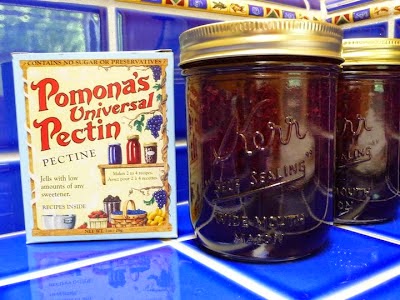
I put berries in my smoothies, fruit salads, chia pudding, green salads and home-made ice cream. When I have extra, I make low-sugar jam with Pomona Universal Pectin. Select organic berries, especially strawberries as they are on EWG's "Dirty Dozen" list.
 |
| Blueberry smoothie |
I'm Italian so tomatoes are going to be high on this list no matter what. But luckily they are a very good source of vitamin C, vitamin A, vitamin E, vitamin K, copper, potassium, manganese, and B vitamins. They are best known for their antioxidant benefits as well as the long list of phytonutrients that they contain, the most touted being the carotenoid "lycopene." Tomato consumption has been associated with lowering the risk of prostate cancer. It has also been linked to reducing the risk of heart disease and improving bone health in postmenopausal women. Tomato lycopene is most effective in reducing heart disease, and other risk factors, when combined with olive oil, which makes me even happier.
Of course we make a lot of tomato sauce with our garden tomatoes and when we have a big harvest, we can diced tomatoes and tomato sauce for the winter. But we also use them in salsa, salads, soups, sandwiches, stews, and more. In the summer we eat tomatoes every day. In the winter we avoid the ones in the supermarket since they taste like plastic but we enjoy the ones we canned a few times a week. Select organic, especially when buying cherry tomatoes as they are on EWG's "Dirty Dozen" list.
 |
| Stuffed tomatoes |
#5 Omega-3 Power Seeds: Chia, Hemp and Flax
These power seeds are extremely important to the diet, especially if you do not eat fish. They are an excellent source of ALA omega-3 which is critical for heart health, brain development, reducing inflammation and joint pain, managing depression, preventing dry eyes, lowering cholesterol, controlling high blood pressure, protecting your bones and more.
Flaxseeds contain the most omega-3 of the power seeds but hemp contains the most protein and chia has the most fiber and calcium. So we eat at least one of these seeds every day.
For more critical information on omega-3 and what these power seeds can and cannot do for vegans, read my January, 2011 blogpost.
When we bake, we substitute flax eggs for eggs by mixing 1 tablespoon of ground flax seeds with 3 tablespoons of water. We sprinkle hemp seeds on almost everything including our oatmeal, raw fruit or green salads and use cold-pressed hemp oil in our salad dressings. We make chia seed pudding for dessert or use chia seeds to thicken smoothies or salad dressings. We certainly eat at least one of these seeds every day.
 |
| Chia pudding |
 |
| Raw crackers |
#6 Salmon and other Low Mercury, High Omega-3 Seafood
If you read my January, 2011 blogpost, you will see that it may be difficult for you to get enough EPA and DHA from just consuming the ALA omega-3 from power seeds. Not everyone can efficiently convert ALA to the critical EPA and DHA omega-3. Vegans who do not eat fish should consider taking a supplement that extracts these forms of omega-3 from algae. For those of you who eat seafood, you should select those that have the highest amount of DHA and EPA omega-3 and the lowest amount of mercury. Anchovies, herring, Pacific oysters, and salmon are all low in mercury and contain the highest concentration of DHA and EPA omega-3. Consider eating 2 to 3 servings per week.
Since we live 20 minutes from Bodega bay, we are able to get wild, line-caught salmon.
 |
| Salmon is low in mercury and rich in DHA & EPA omega-3 |
#7 Lemons and Limes
Although lemons and limes taste acidic, they are actually alkalinizing in the body. They also rich in vitamin C and contain phytonutrients that have antioxidant and antibiotic effects. They have even been shown to protect against cholera!
But aside from their many medicinal uses, from relieving asthma and fighting colds to reducing the risk of gout, I encourage using these wonderful fruits in cooking for their ability to enhance the flavor of a dish without having to use excessive salt.
I use the juice and/or the grated peels of lemons and limes in salad dressings, salsa, smoothies, hot or iced tea, as a marinade for kale, to bring out the flavor in soups, to flavor pesto without parmesan, in hot water as a cleansing beverage, as a flavoring for cooked greens and other veggies, and so much more. I use fresh lemons or limes every day.
#8 Garlic
Part of the Allium family (a cousin to onions which should also be part of your daily diet), garlic contains powerful sulfur-containing compounds that give it its reputation for promoting health. Garlic is known to promote heart health by having strong anti-inflammatory properties. These properties also may help with other illnesses caused by inflammation. Garlic also has the ability to control infections from bacterial, viruses, fungi and yeast and has properties that can lower the risk of many cancers.
Crushing and chopping garlic allows the conversion of alliin into allicin, the compound that provides you with its health benefits. Let the crushed or chopped garlic rest for 5 to 10 minutes before cooking it or adding it to lemon juice or any ingredient that is acidic, or it will quickly reduce the allicin content. In any recipe that uses garlic, I chop or crush it first before doing anything else so that it can rest and develop its superpowers! Use it everyday if possible.
I use garlic to flavor salad dressings, I sauté it and add it to just about everything I cook. It is the main flavor in pesto and hummus.
#9 Broccoli and other Cruciferous Vegetables
I have met many children who will not look at a vegetable but for some reason they love broccoli. One child told me that it was because they look like little trees.
Broccoli's most important characteristic is its ability to help prevent cancer. It does so because of three characteristics. It's a powerful antioxidant. It has anti-inflammatory properties and the ability to promote and regulate detoxification at the cellular level. Most research has shown a link between broccoli and decreased risk of prostate, breast, colon, bladder and ovarian cancer but it may very well lower the risk of many other types of cancer also. A half-cup serving a day or a two-cup serving twice a week would provide these benefits.
Broccoli is also low in calories and high in fiber - a great combination when trying to lose weight. Because of its anti-inflammatory properties, it is may also help prevent heart disease. It's high concentration of lutein and zeaxanthin make it an important food for eye health.
And don't forget to eat the broccoli leaves. In fact, in our garden, we live off of the delicious leaves long after we've removed the head of broccoli.
 |
| Broccoli leaves |
The healthiest way to cook broccoli is to briefly steam at low temperature, about 5 minutes. I cook it for only a minute in my Instant Pot Pressure Cooker and then release the pressure immediately. Then I toss it with a mixture of extra virgin olive oil, cold-pressed hemp oil, lemon juice, pressed garlic and salt.
Some of my other favorite and health-promoting cruciferous vegetables include arugula, bok choy, Brussels sprouts, cabbage, cauliflower, collard greens, and kale.
#10 Quinoa
Years ago you probably had never seen quinoa in the stores or served in a restaurant but it has now become quite popular. Although it is served as a whole grain, it is actually a seed. Perhaps its most important quality, especially important to vegans and vegetarians, is that it provides all 9 essential amino acids and is considered a complete protein. It's also gluten-free, making very popular with those avoiding gluten.
We love quinoa. It's quick and easy to prepare. It takes 18 to 20 minutes on the stove and 5 minutes in my Instant Pot Pressure Cooker (with the added time to get to pressure and time for a natural release). I use it the same way I would use rice. It's great to stuff into bell peppers, winter squash, or tomatoes (as shown above). Serve beside a nice curry or stir fry dish. We enjoy quinoa several times a week but it's important to mix up your grains. Alternate between quinoa, millet, rice, polenta, wheat berries, and other whole grains.
Try Black Bean, Corn and Quinoa Stuffed Peppers with Enchilada Sauce.
#11 English Walnuts and Other Nuts
A recent study showed that 1 to 1.5 ounces of walnuts each day may help protect against Alzheimer's disease. Not a surprise as foods that resemble body parts are often good for them. Just look at a walnut with its shape of a brain, even having two hemispheres!
But don't stop at walnuts. A 30 year study showed that people who ate just a 1/4 cup of nuts each day were 20% less likely to die from any cause, had a 29% reduction in cardiovascular deaths and an 11% reduction in cancer deaths. So mix it up by eating walnuts, almonds, Brazil nuts, pecans, pistachios, cashews and others. I like them raw and leave a Nut Medley out for us to graze on all day. Make sure they are unsalted or you won't be able to stop at 1/4 cup. I also sprinkle nuts over oatmeal, fruit or green salads, bake them into muffins, cakes and breads, and sprinkle them on top of frozen desserts.
#12 Avocados
I adore avocados. Living in California, we have year-round access to them. Although they are high in fat, much of it is good heath-promoting monosaturated fats like oleic acid. And they are packed with vitamins and minerals such as Vitamins B6, C, E and K as well as folate, pantothenic acid and potassium. They are also very high in dietary fiber and contain carotenoids, a class of powerful plant chemicals found in many red, orange, and yellow fruits and vegetables. All of these compounds contribute to their ability to reduce inflammation in conditions such as arthritis. This property also helps them lower the risk of cancer, support cardiovascular health and help regulate blood sugar. Avocados also enhance the absorption of beta carotenes.
I eat 1/4 to 1/2 an avocado per day. I serve them for breakfast over a kale bowl or in a fruit salad, for lunch or dinner in salads, guacamole, salsas, blended into raw soups and salad dressings, over chili or beans, over baked potatoes, in sandwiches and more. See 10 Ways to Enjoy Avocados. We especially love Guacamole. Try making this recipe with 1/2 to 1 clove of crushed garlic instead of the chopped red onion.
#13 Mushrooms
Throughout history mushrooms have been praised for their health-promoting properties. Growing up I just had access to white button mushrooms but now the markets are filled with exotic mushrooms, each having their own health-promoting properties. Shiitake, maitake, chanterelles, oyster, portobello, crimini, porcini, and others can be found either fresh or dried. Like all other classes of foods, I encourage you to mix it up and enjoy all kinds of mushrooms. But don't forage for them yourselves without an expert tour guide as you can easily poison yourselves.
Mushrooms are most known for their ability to boost your immune system or to fight tumor growth. Three population studies show that women who eat an average of one button mushroom a day have half the risk of breast cancer than women who don't eat mushrooms!
I cook them in soups, stews, pasta, with veggies, in mushroom pates, with grains, stuffed, and more. I enjoy them several times a week or more.
Try Shiitake and Maitake Mushroom Stroganoff.
#14 Sweet Potatoes and other Orange Foods
Orange foods generally mean lots of beta-carotene so I always try to have something orange on my plate. Sweet potatoes are one of the best sources. Beta-carotene is a precursor of vitamin A so when you eat beta-carotene, the body turns it into vitamin A, or retinol. Vitamin A is needed for healthy skin, mucus membranes, healthy eyes and good vision as well as a healthy immune system. Sweet potatoes should always be eaten with a little fat to make the beta-carotein more absorbable.
Sweet potatoes are one of our favorite orange foods. A typical weeknight menu is a baked sweet potato topped with baked beans or spicy black beans and steamed broccoli or greens on the side. Other orange foods that should get special mention are carrots, butternut squash, cantaloupe and other orange melons, apricots, papayas, mangos, and oranges.
Probably the most popular post on this blog was one I did in 2009 featuring a Healthy Vegan Sweet Potato Casserole topped with Pecans. Most people wait for Thanksgiving to make it but it's a great way to enjoy sweet potatoes and should be enjoyed all year round. It's one of my husband's favorites.
#15 Dark Chocolate
Who wasn't happy to discover that dark chocolate's rich antioxidant flavonols turned it into a health food? But dark chocolates mixed with fats other than cocoa butter or with too much sugar added aren't going to be something you'd want to munch on every day. So look for unsweetened baking chocolate, or chocolate bars that are at least 70% dark. Better yet, add pure cacao to your smoothies or desserts.
Chocolate's flavonoids may reduce the risk of heart attack because they have anti-inflammatory actions, they can lower blood pressure, improve arterial blood flow, lower the susceptibility of LDL cholesterol to oxidative damage while increasing HDL, and prevent blood platelets from clumping. It's not only good for heart health, but may also improve brain function.
We eat a small piece of dark chocolate most days or just throw a tablespoon of raw cacao in our smoothies. When entertaining we often make Raw Chocolate Truffles.
#16 Oats
Oats are a wonderful, fiber-rich whole grain that help lower cholesterol levels and support heart health. They also help stabilize blood sugar making them helpful in lowering the risk for type-2 diabetes.
Oatmeal is great for breakfast on chilly mornings. I also like using oat flour for gluten-free baking. We enjoy oatmeal about 3 times a week and enjoy making it with bananas, apples or cranberries. Try Oatmeal with Walnuts, Bananas, and Raisins.
 |
| Oatmeal |
#17 Apples
Yes, an apple a day keeps the doctor away but make sure it's organic since apples top the list for most pesticides on EWG's Dirty Dozen list for 2014. This popular fruit contains important phytonutrients that can regulate blood sugar. It's fiber content makes it a satisfying food to munch on when trying to lose weight. There are so many ways to use apples but our favorite is to munch on apple slices. A recent study showed that a child is much more likely to eat apples it is sliced.
For a fruit salad that incorporates a number of Foods For Long Life, try Waldorf Salad with Apple Chia Dressing.
 |
| Raw vegan Waldorf salad |
#18 Red Bell Pepper
Red peppers are one of my husband's favorite foods. For only 46 calories, these nutrient-dense beauties provide 3 times your daily requirements of vitamin C, and are a very good source of fiber, vitamin A, E, B6 and folate. They are packed with carotenoids such as alpha and beta-carotene, lycopene, lutein, zeaxanthin and many more. They are most nutritious when eaten raw, like in this Raw Veggie Wrap with Ginger Tahini Dipping Sauce, but they are still very nutritious cooked, just avoid very high heat..
Always select organic bell peppers as they are on EWG's Dirty Dozen list.
 |
| Raw veggie wrap with red bell pepper |
#19 Extra Virgin Olive Oil
The Mediterranean diet has long touted olive oil for his ability to protect the heart. This has been attributed to its polyphenol content with its powerful anti-inflammatory properties. Olive oil also gets 75% of it's fat from oleic acid which is a monosaturated omega-9 fatty acid. Most cooking oils, like corn, sunflower, and safflower, have much less monosaturated oils. This high level of monosaturated oils may be linked to olive oil's ability to reduce blood pressure. Consumption of olive oil has also been linked to reducing the risk of many cancers, including breast, respiratory tract, and upper GI tract. It is also a good source of vitamin E.
I use olive oil in salads, and in cooking on medium-low heat. I use it in baking instead of butter. I always select extra virgin which is from the first pressing of the olives and is unrefined. Always protect olive oil from the light. For safe measure, I always wrap my bottles in aluminum foil, even when the bottles are tinted.
#20 Artichokes
Artichokes have been one of my favorite foods since I was a child. I remember the strange looks my classmates would give me when I whipped out a stuffed artichoke at lunchtime. I was equally surprised to see them eating a peanut butter and jelly sandwich, something I wouldn't experience until I left for college.
Artichokes are very high in dietary fiber, over 10 grams each. They are also a very good source of vitamin C, K, folic acid (important during pregnancy) and manganese.
Have you ever noticed that artichoke leaves are in most tea preparations used to cleanse your liver? That's because they contain the flavonoid silymarin, which is a powerful liver protectant. Artichokes also stimulate the production of bile which helps you digest fats. The powerful antioxidants rutin, quercetin, and gallic acid contained in the leaf of the artichoke have led researchers to believe that artichokes may help fight cancer.
We eat them stuffed, on top of pasta, in paella, steamed with a dip, in an antipasto, in soups, in morning scrambles, and in salads. We also drink tea made from artichoke leaves.
Try Artichokes with Creamy Garlic Lemon-Pepper Dill Sauce.
So forget about the fad diets and load up on these great foods!
Here's a consolidated list of the Foods For Long Life that you should eat regularly. Cut and paste it onto your shopping list.
- Beans, beans, and more beans
- Kale and other greens (organic)
- Berries (organic)
- Tomatoes (organic)
- Power Seeds - chia, hemp and flaxseeds
- Salmon and other low mercury, high omega-3 seafood
- Lemon and limes
- Garlic and onions
- Broccoli and other cruciferous veggies (Bok choy, Brussels sprouts, cabbage, cauliflower and collards)
- Quinoa
- Walnuts and other raw, unsalted nuts
- Avocados
- Mushrooms
- Sweet Potatoes and other orange foods
- Dark chocolate or cacao
- Oats
- Apples
- Red Bell Peppers (organic)
- Extra Virgin Olive Oil
- Artichokes
And Happy New Year!