Showing posts with label IMPROVE YOUR HEALTH. Show all posts

Saturday, April 11, 2020

Natural Approaches to COVID-19
From Dr. Andrew Weil
And Center For Integrative Medicine

Supplements are part of a regimen to boost your immune system.

Follow Foods For Long Life on Facebook, Pinterest, and IG.

Last Tuesday I listened to a live lecture with Dr. Andrew Weil, Dr. Randy Horwitz, Dr. Lise Alschuler and Dr. Esther Sternberg on Integrative Approaches to Covid-19. Let me try to summarize some of the knowledge they shared. The key theme was how to build your own immune system and strengthen your body's nature forces to fight off this deadly virus.

Dr. Andrew Weil 
Dr. Weil introduced the speakers and offered several suggestions of his own:

* Good nutrition, plenty of rest and sleep, and a positive mental state all contribute to building a strong immune system.

* Too much stress lowers your immunity and makes you more vulnerable to disease. One way to lower your stress is to do breathing exercises. He recommends the 4-7-8 breath.
Here's a link on how to perform his famous breathing technique. 

* Dr. Weil also highly recommends laughter. I know, it's hard to laugh during times like this but there are plenty of jokes flying around the internet these days so enjoy them!

Dr. Randy Horwitz
Dr. Horwitz explained a bit about the virus and the mechanisms of infection: 

* Although you can fit 700-1000 Covid-19 viruses across a human hair, it is considered rather large for a virus.  It is moderately highly infectious and virulent. The virus has one goal and that is REPRODUCTION and to take over the world. 

* The Achilles heal of the virus is its envelope. Made up of fats and proteins, it can be dissolved by soap. This is why we are being told to wash our hands with soap and water as it is very effective in destroying the virus.

Pre-Infection Stage
* The best thing to do to reduce the chances of being infected is to limit exposure. So sheltering in place and social distancing is very effective. 

* Maintaining a healthy lifestyle is also key - get plenty of sleep as sleep deprived people are more susceptible to the virus. Good nutrition, lowering stress, and taking selected supplements are also very important (we will talk more about supplements later.)

Viral Infection Stage
Here's what happens during the infection stage:

* The Covid-19 virus sneaks inside your cell and shoots in the virus's blueprint. Each of your cells has its own blueprint of what it is supposed to be replicating but the virus hijacks your cell's factory to copy its blueprint and now has changed the instructions. 

* The virus infects the cells of the upper respiratory system. The hijacked cells of your upper respiratory system releases new virus and destroys the ciliary cells. This is what causes the cough associated with Covid-19. 

* There are several things that can happen from here: One, your strong immune system could stop it or a weakened immune system may not be able to stop it and the virus could enter the lungs, replicate, and lead to pneumonia.

* Once this happens, the immune cells in the lungs become activated and go into overdrive. Fluid fills the alveoli (the little sacs that that line the lungs that allow the exchange of oxygen and carbon dioxide molecules to and from the bloodstream) and this prevents adequate gas exchange. 

* Now all hell is breaking lose. The macrophages in the lungs grab the virus and send out help signals to the body to send cytokines to help. 

* When the cytokines that increase immune activity become too abundant, the immune system goes into overdrive and starts to attack heathy cells. This is called a cytokine storm. The blood vessel walls get leaky and the lungs fill with fluid. Blood clots can also form throughout the body, further reducing blood flow. This leads to decreased oxygen and respiratory failure. 

* There is a fine balance to prevent a cytokine storm without inhibiting viral immunity.

Dr. Lise Alschuler
Dr. Alschuler discussed supplements. Although none of these recommendations are proven with respect to Covid-19, she recommended those with the highest likelihood of benefit and the lowest possible risk.

She discussed the 3 components to prevention. 1. Block viral docking, 2. Inhibit viral replications, and 3. Increase innate immunity.

Prevent Viral Entry and Docking
* The Covid-19 virus gets into human cells by targeting a specific receptor called ACE2 found on certain cells. Certain vitamins and supplements may be able to block ACE2 receptor binding:
    - Astragulus may be helpful in decreasing ACE2 receptor activity.
    - Quercetin binds to ACE2 receptors, taking the space that the virus is targeting.
    - Vitamin D3 reduces ACE2 activation
    - Elderberry inhibits viral attachment in a different corona virus and may do the same thing with Covid-19.

Reducing Viral Replication
    - Zinc reduces viral replication.
    - Quercetin acts as a zinc chelator and helps facilitate bringing zinc into the cells.
    - EGCG, found in green tea, also acts as a zinc chelator.
    - Elderberry inhibits replication of a different corona virus and may do the same thing with Covid-19.

Improving Innate Immunity
    - Vitamin D activates innate immune cells but too much can cause an overactive inflammatory response (or a cytokine storm) and cause a damaging response in the lungs. (Test for 25-hydroxy vitamin D. Deficiency is less than 30 nmol/L. Potential deficiency is between 30 and 50 nmol/L and normal levels are between 50 and 100 nmol/L.)
    - Vitamin C regulates pro-inflammatory cytokines.
    - Curcumin can also help surpress a cytokine storm.
    - Melatonin may reduce lung damage during the viral infection.
    - 7 to 10 servings of vegetables a day provides immunity boosting flavonoids.
    - Other supplements that help boost immunity include garlic, ECGC from green tea, quercetin, and mycelium extract.
    
Dr. Esther Sternberg 
Dr. Sternberg discussed the impact of stress and making your home a healing place.

A certain amount of brain stress is necessary and beneficial for peak performance but excess stress can lead to disease. The stress response strongly effects the immune system and chronic stress increases the frequency of viral infections and accelerates aging.

Reducing Stress
Dr. Sternberg's suggestions on reducing stress:
* Take control as best you can even though we are in a situation where many people feel out of control.   

* Focus on your own expertise and take that stress energy and turn it into something to help others. For example, today, instead of freaking myself out watching the news, I'm spending time sharing this good information with you!

*  Have virtual social gatherings. The other night we had a virtual cocktail hour with some friends that we hadn't seen in a while and it was really fun catching up. And we didn't have to drive across town, clean up the house or dress up. This might become a thing!

* Get a good night's sleep. EVERY speaker discussed this so it's super important. Increased activity helps improve your sleep. Circadian lighting where you expose yourself to bright sun light sometime between 8am and noon and reduce exposure to light in the evening, helps the body produce melatonin and enhances good sleep. 

* Exercise is a great stress reducer. So if it's allowed, get out of the house for a walk or run while remaining socially distanced. I myself dance to zumba tapes.

* Do Mind Body activities such as meditation, yoga, and breath exercises like the 4-7-8 breath Dr. Weil suggested above.

* Maintain a healthy diet. I have over 600 posts of healthy recipes in this blog so you can start here.

* Spiritual activities can greatly help stress. These are not always tied to religion - mine involve plants and gardening and appreciating the beauties of the universe and each other.

I hope this summary helps you understand more about Covid-19 and ways to strengthen your body to help prevent and fight this deadly virus.


Wednesday, March 25, 2020

5 Tips For Coping With The Covid-19 Pandemic

Tip #1 - Make lots of soup and freeze it!

Follow Foods For Long Life on Facebook, Pinterest and IG

Sheltering in Place
At this writing, as the pandemic is spreading across the world, a third of the United States has been told to stay home and isolate. The stress of waiting in isolation might naturally drive us to sit on the couch, watch the news 24/7 and eat "comfort food." Since we might be in this for the long haul, here are a few things to do to get you off the couch.

TIP #1 - Make Soup
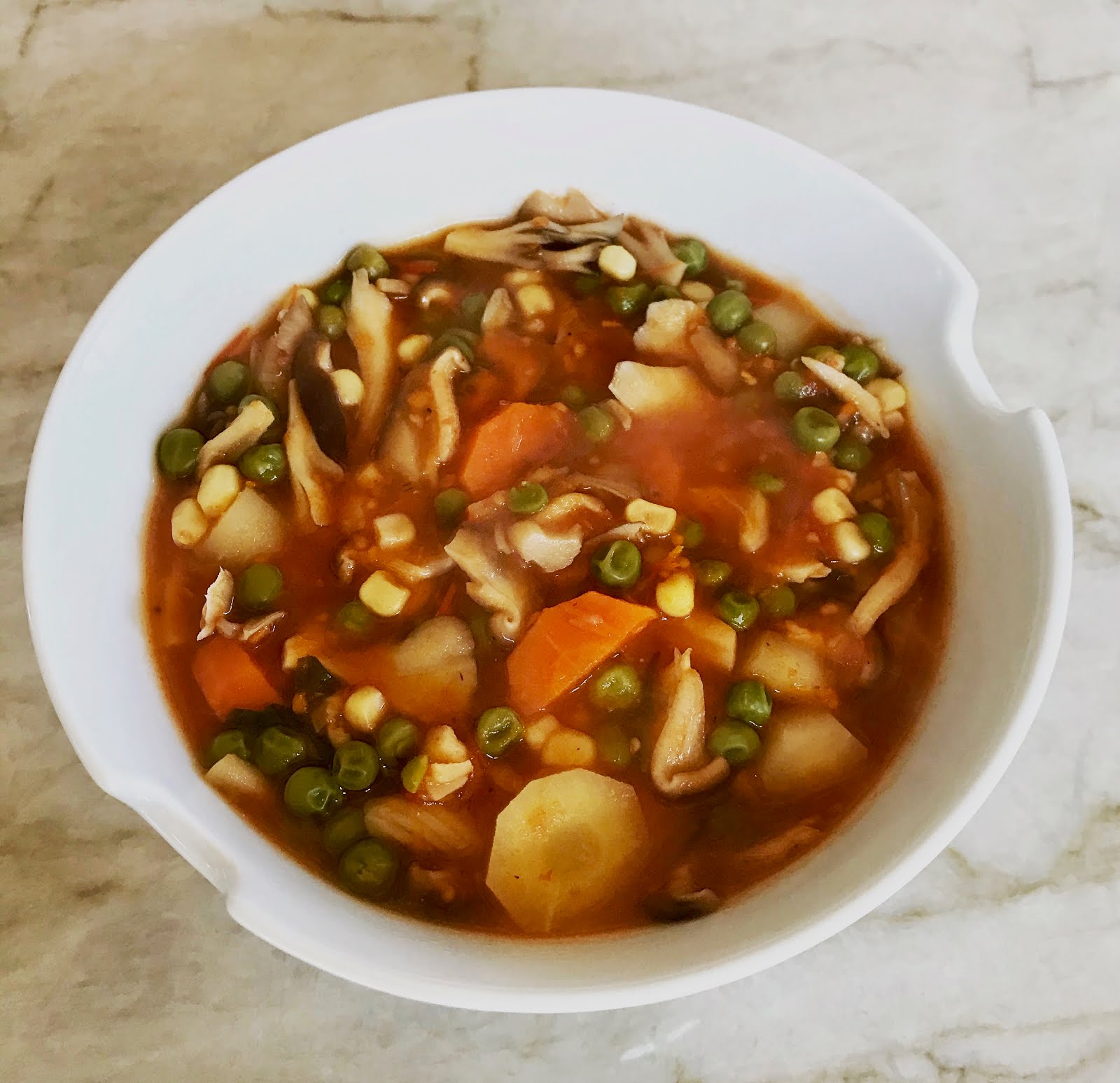
A large percentage of the population will get the virus but not all will become seriously ill. That said, many of us will get sick, be home alone or with another family member who is also likely to be sick.  And since we are all isolated, no one will come over and take care of you. So while we are feeling good, make soup. Make LOTS of soup and freeze it. Just start with some sautéed onions, celery, and garlic. Add lots of water or broth and spices like 1 or 2 bay leaves, some thyme, oregano, salt and pepper to taste. Fresh ginger is a good addition or sometimes I just steep in a few ginger tea bags. Add your favorite beans. (If you eat meat, throw in some chicken thighs and cook for 20 minutes.) Then start adding vegetables like carrots, peas, corn, kale, green beans, a can of tomatoes, etc. Simmer until the vegetables are soft but not mushy, squeeze some fresh lemon juice into the pot. Cool and freeze. Do not add pasta or rice until you defrost and serve it. 
I have dozens of soup recipes on this blog that you can try also.

TIP #2 - Develop a Routine
After a week of total paralysis, thinking every sniffle and allergy symptom I had was the virus, I finally resumed my daily work schedule. I have a business I do from home and I also help my daughter with her business remotely. Cooking, exercising, and gardening also takes up my time. So I put a to do list together after my morning tea and schedule my day. The schedule keeps me busy and lessens my stress. Give it a try.

TIP #3 - Plant a Garden
If you are lucky enough to have a little yard, start growing your own food. This pandemic will not completely go away until a vaccine is developed and everyone is inoculated. That could take well over a year. Growing food will lessen your need to go to the grocery store and expose yourself to others who may be carrying the virus. If it's still too cold in your area, you can start seeds at home under a grow light.


HOW TO BUILD A RAISED BED GARDEN BOX
BUILDING A RAISED GARDEN WITH WATER TROUGHS

TIP #4 - Self Care
It's more important than ever not to get sick or hurt yourself. Why? Because doctors and hospitals are too busy with Covid-19 patients to see you. So do everything you can to stay healthy.
  * Consume Immune Boosting Foods and Herbs - Include mushrooms, raw garlic and ginger in your diet as well as antioxidant-rich colorful fruits and veggies. Culinary herbs such as oregano, thyme, and rosemary have great antiviral and immune system boosting properties. 

  * Gentle Movement - You're home or out getting some fresh air while social distancing. So you may be thinking, "what a great time to get in shape!" Please avoid overdoing it. If you haven't been running or doing vigorous exercise before the pandemic, start slowly. Remember, if you sprain your ankle or pull your back out, your doctor is not available! Gentle movement will help pump your lymphatic system and boost the production of immune cells that actively protect us against viruses and bacteria. 

  * Dental Care -  Many dentists have temporarily closed their offices during the pandemic so take especially good care of your teeth. You are home so it's easy to brush after every meal. Floss every day and try not to chip a tooth on hard foods. Doug made popcorn the other night and I was super careful not to eat the unpopped kernels for fear of knocking out a crown!

TIP #5 - Try to Disconnect
It's very important to stay informed but don't do it 24/7. The news is grim as the cases skyrocket and you worry about your loved ones spread across the world. Catch up on it periodically but try and detach a bit. I have an especially hard time with this one.

Of course you have heard about keeping your distance, washing your hands often, and not touching your face so I don't need to harp on that. But I will say, TAKE THESE MEASURES SERIOUSLY! And please everyone, STAY SAFE. 


Tuesday, April 23, 2019

Alternative Approaches For Treating Anxiety
Takeaways From The 2019 Integrative Mental Health Conference

2019 Integrative Mental Health Conferennce - San Francisco

Follow Foods For Long Life on Facebook and Pinterest

Treating Anxiety
40 million American adults suffer from anxiety disorders and many are taking a class of drugs known as benzodiazepines which include Xanax, Klonopin, Valium, and Ativan. These drugs are addictive and dangerous. There is a risk of respiratory depression that can cause overdose, especially when taken with opioids or alcohol. Discontinuing their use can cause severe withdrawal symptoms, such as seizures. Their usage can also lead to falls and cognitive decline. Most importantly, these drugs do not work in the long term. Studies have shown that after just 8 weeks, those on Xanax had worse anxiety than those who took a placebo. (Occasionally benzodiazepines are prescribed to treat depression, however research has shown that people with a predisposition to depression are likely to have increased levels of depression after using benzodiazepines.)

Besides benzodiazepines, certain SSRI anti-depressants such as Prozac, Zoloft, Paxil, Celexa, Lexapro, and others are used to treat anxiety but provide little benefit in relieving anxiety symptoms and come with their own side effects such as headache, nausea, agitation, weight gain and sexual problems. 

The poor efficacy and terrible side effects of these commonly prescribed drugs have not gone unnoticed by the medical professionals themselves. I attended the 2019 Integrative Mental Health Conference in San Francisco last week. There I sat with 900 frustrated psychiatrists and other mental health workers, all of whom feel that conventional medicine has let them and their patients down. This conference focused mainly on alternative methods on dealing with things such as anxiety, depression, epilepsy, Alzheimer's and more. Today I will share what I learned about anxiety. More to come on the others in future blog posts.

What is Anxiety?
Anxiety disorders are characterized by fear, excessive nervousness, apprehension, and worry that is out of proportion to the actual danger. OCD (obsessive-compulsive disorder), PTSD (post-traumatic stress disorder), panic disorder, and phobias are examples of anxiety disorders. Symptoms include:
* Nervousness
* Tension
* Panic
* A sense of doom
* Increased heart rate
* Fatique
* Sweating
* Trouble concentrating 

Victoria Maizes
Dr. Maizes is a Professor of Medicine, Family Medicine and Public Health at the University of Arizona Center for Integrative Medicine. Here are some things she said about anxiety.

Many anxiety symptoms actually can be a result of something else and must first be ruled out. For example, anxiety can actually be hypo-thyroid or hyperthyroidism. Or various heart ailments such as congestive heart failure, cardiac arrhythmias, or chronic obstructive pulmonary disease. These symptoms can also be a result from lead toxicity or pesticide exposure, or even vitamin B12 deficiency. 

Unexpected side effects from many medications also can cause anxiety symptoms like beta agonists, corticosteroids, thyroid hormones, oral contraceptives, ADHD drugs, or OTC medications that contain lots of caffeine. 

Many beverages like coffee, tea, soda, energy drinks, and other highly caffeinated drinks can cause symptoms that also mimic anxiety.

So it's important the these other things are ruled out before getting treated for anxiety. Unfortunately, many doctors will just quickly write out a prescription for their favorite benzodiazepine before ruling out the plethora of things that can cause similar symptoms.

What to do Besides Take Drugs?

Cognitive Behavioral Therapy (CBT)
People with anxiety tend to castrostrophize negative events and have a low tolerance for uncertainty. With CBT, a person is taught to use skills that encourage evidence-based thinking. For example, ask yourself, "how likely is the thing that I am worried about will actually happen?" For example, I have great anxiety about driving. I've been in 4 car accidents, even though I wasn't even driving in any of them. I visualize cars coming at me and hear crashing sounds. But I should ask myself how likely is it that this is really going to happen each time I get into a car? 

Lin-Manuel Miranda had wonderful advice when he said: 
"Your mind is yours alone. Do what it takes to make yourself comfy.
Draw the blinds, kick out unwelcome guests. Make it your home."

Physical Activity
One of the best ways to deal with anxiety is through exercise as it increases the availability of neurotransmitters such as serotonin and dopamine. Exercise also positively effects the body's main central stress response system called the hypothalamic pituitary adrenal axis (HPA.) 
Studies have shown reduction of stress from:
* Aerobic exercise (Zumba is my favorite)
* Yoga
* Tai Chi

Shinrin-Yoku (Forest Bathing)
Walking in nature is a proven way to reduce anxiety. Walking in nature reduces cortisol levels and lowers heart rate. What is remarkable is that as little as 5 minutes a day effectively reduces anxiety! 
Getting in touch with nature, in any way, is soothing. My daughter-in-law, Karina Aldredge, created the popular Instagram, Sacredelements which, through pictures and videos, reminds her 87,000+ followers to connect daily with the beauty that surrounds them.

Mindfulness
Meditation can help reduce anxiety. Basically, it is just paying attention, non-judgmentally, to the present moment. There are many types of meditations including Guided Imagery. There are many free guided imagery meditations available on the web and countless books, utube videos, DVDs and other sources of information on various meditative practices. You need to find one that works well for you.
     Zen Proverb
     "You should sit in meditation for 20 minutes every day 
     - unless you are too busy; then you should sit for an hour."

Relaxing Breath
Everyone should do this!! It's a simple breathing exercise that Dr. Weil taught me years ago and it's very effective for anxiety. This exercise tones your parasympathetic nervous system (which can slow your heart rate and lower your blood pressure after the sympathetic nervous system has activated the fight or flight response.)
This only takes 45 seconds and should be done twice a day.     
  
  * Place the tip of your tongue against the ridge on the roof of your mouth
  * Exhale completely through your mouth
  1. Inhale deeply through your nose to a count of 4
  2. Hold your breath for a count of 7
  3. Exhale through your mouth to a count of 8
  4. Repeat 1, 2, 3, for a total of 4 breaths

 Diet
Although Dr. Maizes didn't spend a lot of time on diet, here are some recommendations from her as well as other sources like the Mayo Clinic.
* It's important to keep your blood sugar stable so make sure your meals, especially breakfast, contain some protein.
* Eat complex carbohydrates like oatmeal, quinoa, whole-grain breads and cereals. Carbohydrates increase the amount of serotonin in your brain which can calm you. But stay away from simple carbs like sugary foods and drinks.
* Stay hydrated and drink lots of water. Dehydration can affect your mood.
* Limit alcohol. Although it can have an immediate calming effect, it can later make you edgy and interfere with your sleep.
* Limit or avoid caffeine. It can make you jittery and nervous and interfere with sleep.
* Check for food sensitivities. Certain foods or food additives can cause irritability or anxiety.
* Eat healthy, balanced meals that include fresh fruits, vegetables, high omega-3 foods such as salmon, and fermented foods for a healthy microbiome.

Sleep
Sleep is critical to our mental health. Dr. Maizes says, "No one can GO to sleep. One must LET GO to sleep." 
Of course she recommended the usual suspects: 
* Limit caffeine
* Reduce light exposure

Supplements and Herbs
Certain supplements show promise in helping anxiety, especially high dose vitamin B. Whereas omega-3 and inositol also show promise, the dosages in the study seem prohibitive to me. 

Kava Kava studies showed supplements of this herb helped with anxiety associated with menopause and with benzodiazepine withdrawal. It is available in tea for but do not pour water over the tea bag as it will deactivate the kava kava. 

Chamomile is another herb that can be enjoyed as a tea or capsule that helps with mild to moderate anxiety.

Vaporized lavender when used in aromatherapy generates the terpene linalool which can trigger a relaxing effect by directly stimulating olfactory sensory neurons.

Adaptogens are herbs used to help the body adapt to stress and make it more resilient. There were several mentioned that helped reduce anxiety:
* Rhodiola is widely used to alleviate anxiety, depression, and insomnia. 
* Ashwaganda
* Holy Basil
* Asian and American Ginseng
* Siberian Ginseng

Acupuncture
I am a big fan of acupuncture but it's important to find a skilled practitioner. Studies have shown acupuncture can have a substantial positive effect in reducing anxiety.


Thursday, October 04, 2018

Tired, Gaining Weight, Cold, Forgetful? You May Have Hypothyroidism?
Why Normal TSH Numbers May Not Be Normal!

Millions suffer from a mild thyroid disorder but go untreated.

Follow Foods For Long Life on Facebook and Pinterest.

Doctors have Different Approaches
I am not an endocrinologist so this post is really just about my story. But before I begin, let me speak a bit about how my doctors approached the same problem.

I have two primary physicians. One is a talented board certified doctor trained in a traditional medical school. My visits to her are generally covered by Medicare and normal insurance. The other physician I use is an Integrated Practitioner. Not only is she a board certified doctor, she is a trained herbalist and takes a holistic approach to diagnosis and treatment. Insurance won't pay a penny of my visits to her. I find it very interesting on how differently the two doctors approach things. I typically listen to both and decide what I want to do but most often, I listen to my Integrated Practitioner. My thyroid is a perfect example.

Hypothyroidism
Hypothyroidism is a condition where you have low levels of thyroid hormone which causes a slow metabolism. Women are eight times more likely to have this condition than men. (Thanks Universe - like childbirth wasn't enough!) 

Your thyroid releases thyroid hormone as a result of the pituitary gland releasing thyroid stimulating hormone, or TSH. When the body doesn't respond sufficiently to the increase in TSH and cannot release more thyroid hormone, this is called hypothyroidism. 

Common symptoms of hypothyroid are:
  * Fatigue 
  * Weight gain
  * Feeling cold
  * Mental fogginess, trouble concentrating or remembering 
  * Feelings of weakness, aches in muscles and joints
  * Hair loss
  * Depression
  * Constipation
  * Dry and itchy skin
  * Heavy or irregular periods

The Controversial TSH Test
Allopathic (traditional) doctors and most laboratories in the U.S. consider the reference range for the TSH test from 0.5 to 4.5 to be normal. The holistic practitioners want to see the upper range around 2. So when my TSH results came in once at 4 and later at 5, and I complained about fatigue, some weight gain, always feeling cold, having some trouble remembering things, having occasional leg cramps, hair loss, and dry patches on my skin, here's how my two doctors reacted:

My allopathic doctor said "your thyroid is normal". We can consider subclinical treatment at some point. Let's keep an eye on it.

My Integrated Practitioner wanted to look further, especially because I was demonstrating  these symptoms. Here's what she did:
   * Tested for thyroid antibodies to make sure I didn't have an autoimmune thyroid disease (Hashimoto's thyroiditis) or celiac. (These tests were for thyroid peroxidase (TPO) Ab, and thyroglobulin antibody.) Both tested normal.
   * We also tested for Free T4, Free T3, Reverse T3 to further evaluate the reason for high TSH.  
   * She wanted to rule out gluten sensitivity and didn't think the blood test results were very accurate, so she ordered a more accurate gluten sensitivity stool test from EnteroLab. Sure enough, I have an active dietary gluten sensitivity and must now be on a strict and lifelong gluten free diet. 
   * She ordered a test for iodine which came out a bit low so she had me take a seaweed supplement.
   * Other supplements she had me try were L-tyrosine and forskolin. 

I retook my TSH, Free T4 and Free T3 after a few months of eating gluten free, and taking supplements but unfortunately none helped lower my TSH, although some of my symptoms improved from removing gluten but not all of them. So we finally agreed it was time for me to take thyroid medication. A dear friend who is a naturopath and also has thyroid disease advised me to take Armour, which offers both T4 and T3, as opposed to some of the synthetic medications such as Levothyroxine, a synthetic form of T4. I started on a super low dose (15mg), and will need to be retested 6 weeks from when I started taking it. 

Almost immediately, after starting the low dose thyroid hormone, my afternoon fatigue went away. I also think my mild brain fog is lifting. I'm still waiting to see more results, but it's only been two weeks and I might need a higher dosage after I get retested.

The Point of the Story
The point of the story, is that the TSH reference range is still controversial. The National Academy of Clinical Biochemistry recommended reducing the reference range of TSH levels in 2002. This led to the American Association of Clinical Endocrinologists to recommend that doctors consider treating patients who fall between the TSH level of 0.3 to 3.0 instead of the range 0.5 to 4.5/5.0 (where it still remains today.) If that guideline was changed, it would have expanded the number of thyroid patients from 15 million to a total of around 60 million Americans, most of whom would fall in the underactive hypothyroid category.

Do I think 60 million Americans should be on thyroid meds? It depends on they feel. I would have gladly ignored the high TSH number, given my other doctor said it was "normal", had I not had so many other symptoms. So when your doctor says your test results are "normal", for whatever test you are taking, get the exact numbers and do your own research. And if you have symptoms, make sure your doctor is well aware of them and not just diagnosing you based on standard test results and reference ranges. If you can afford to visit a practice that embraces Integrative Medicine or Functional Medicine, both of whom treat the whole person, not just the disease or the "numbers", do so. Some of these doctors do take insurance, but unfortunately not all. 

This was a huge decision for me as I've been very proud to say I'm 70 and don't take a single medication. But it's a hormone, like vitamin D is a hormone - and I'm happy to take something that can prevent some of the many age-related issues that come along around now. 


Monday, June 25, 2018

What Is Your Risk Of Alzheimer's?
Testing For AoeE Proteins
Our Results and The Challenge Ahead

Alzheimer's is the 6th leading cause of death in the US.

Alzheimer's Disease
If there was a scary disease contest, Alzheimer's would be pretty high on the list, if not on the very top. While the rates of the top two leading causes of death, cancer and cardiovascular disease, have decreased, the Alzheimer's death rate is going up. Between 2000 and 2014, it has increased 89%.

Today more than 5 million Americans are living with this disease and by 2050 that number is projected to be 13.8 million. What makes it scary is that professionals claim that it is the only  leading cause of death that cannot be prevented or cured. Thankfully there are those that believe prevention is possible and some who even think it can be reversed. We will cover that in future blog posts.

It's Personal
Both my mother and grandmother died from brain-related diseases. Although neither had Alzheimer's, (my mother had water on the brain and my grandmother a brain tumor), I watched them both lose their mental faculties before they died. Nothing is more sad than to watch a love one show signs of dementia. 

My mother had an amazing memory. She worked as the executive assistant to the President of Columbia Pictures. If you watched a movie with her, she could tell you the name of every actor in the film. Then she would tell you who they were married to, how many kids they had, their ages, and anything else you wanted to know about them. My first clue that something was wrong with her was when she asked me how many years my brother was married. She just didn't forget things like that. It turned out that she had hydrocephalus. She eventually lost all her capabilities, including the ability to speak. 

My husband's grandfather died of Alzheimer's in his 80's and his uncle started showing signs in his 60's. His cousin is now struggling with some form of dementia.

With these family issues we are both very concerned with brain health. We, of course, do many things for our health that should help prevent this terrible disease, but we wanted to know if we needed to step it up a notch. So we decided to get tested for the ApoE gene. A lot of our friends say they don't want to know, but we did.

ApoE
ApoE is a protein in the brain that helps clear the harmful plaques that are characteristic in the brains of those with Alzheimer's. These toxic plaques consist of damaged amyloid-B proteins which stick together and form around nerve cells.  

There are 3 main ApoE proteins - E2, E3 and E4. 
* E2 is the good ApoE protein as it is the most effective at removing the amyloid-B plaques from the brain. It is the least common form of ApoE.
* E3 is the most common and doesn't seem to affect the risk of getting Alzheimer's.
* The E4 ApoE protein does a very poor job at removing the plaques.

A person has two copies of these genes so you can be E2/E3 or E2/E2, etc..

Interpreting the ApoE Test
E2/E2 
If you have two copies of the E2 allele, you hit the jackpot and have the lowest risk of Alzheimer's disease and a decreased risk of cardiovascular disease. 
E2/E3
This combination of variants shows a decreased risk of Alzheimer's.
E3/E3
This combination shows no increased risk.
E2/E4 or E3/E4
One copy of E4 with either an E2 or E3 variant shows an increased risk of Alzheimer's.
E4/E4
Two copies of the E4 variant shows a significantly increased risk of both Alzheimer's and cardiovascular disease.

The Statistics (from 23 and me)
The general population has a less than 1% chance of getting Alzheimer's Disease (AD) at age 65. 
At 75, their risk increases to 3%. 
When they reach 85, the risk for men is 11% and 14% for women.

The population that has no E4 variants have less of a risk. 
At age 65, both men and women have less than 1% risk.
At age 75, both men and woman only have a 1.2% chance of getting AD. 
At age 85, men have a 5.8% chance and women a 6.1% chance of getting the disease. 

If you have one copy of the E4 variant, your risk goes up.
At age 65, men have a 1% risk and women have less than 1%.
At age 75, men have a 4.7% risk and women a 5.7% risk.
At 85, the risk increases to 20.23% for men and 27.3% for women.

Those with two copies of the E4 variant have the highest risk.
At age 65, men have a 4% risk and women a 2% risk.
At age 75, men and women have a 28% risk of getting AD.
At age 85, men have a 51% chance and women a 60% chance of getting AD.

We Took the Test
Since we are members of Life Extension, we bought their test. 
You don't have to fast. You just do a quick cheek swab with each of the three swabs they provide. You mail it back in a prepaid envelope and you get the results in 2 to 3 weeks.
The Results
My results were good. I had a E3/E3. I don't have the protection of the E2 variants, but the E3s have no increased risk.

My husband's results were not good. In fact, he had the results we dreaded, given his family history - an E4/E4 - a double copy of the E4 variant. 

Although this is a terrible outcome, we strongly believe our gene expression can be modified by good nutrition, diet, exercise, love, and more. 

My next posts will cover things that you can do to try and prevent this horrible disease. Doug and I are ready to take on this challenge and we will share everything we learn with you! So don't be afraid. Take the test (many companies offer it - 23 and me, Life Extension, LabCorp, to name a few.) It's good to know what hand you are dealt.

Remember, you can still be at risk for Alzheimer's even if you don't have the E4 allele. And having E4's doesn't necessarily mean you will get the disease. Your lifestyle is everything!


Monday, February 12, 2018

What You Should Know About Chocolate
A Healthy Treat For Your Valentine

Raw chocolate treats have maximum benefits.

Follow Foods For Long Life on Facebook and Pinterest.

Our Love Affair with Chocolate
Chocolate is practically synonymous with Valentines Day. About 58 million pounds of chocolate candy are purchased in the U.S. during the week of Valentines Day, racking up sales of more than $345 million.  And though sales of candy have declined because of growing concerns over obesity and sugar consumption, the sale of chocolate in the U.S. grew 33%, from $14.2 billion in 2007 to $18.9 billion in 2017.

The good news is that this delicious treat can be good for us, but not all chocolate candy has benefits. Before we discuss it's benefits, here's what you need to know about selecting chocolate.

The Anatomy of Chocolate
Chocolate comes from the cacao beans of the tropical tree Theobroma cacao. Theobroma means "Food of the Gods". After the beans are harvested, they are fermented and dried. 
They are then processed to create the three components of chocolate:

(1) Ground up, whole cacao beans are called Cacao Liquor, Cacao Paste, or Cocoa Mass. This liquor is then pressed into:
(2) Cacao Butter or Cocoa Butter, or the "fat" of the cacao bean and:
(3) Cocao or Cocoa, the solid parts of the pressed liquor that are ground into a powder.

The Good Stuff
I know you've already heard that the healthiest chocolate is "dark" chocolate. That's because it is made from 70% to 99% pure cacao fat (cocoa butter) and cacao solids. My taste threshold is around 72% so that's what I usually buy. But 80%+ plus is even better for you if you enjoy it. 

White chocolate shouldn't even be called "chocolate" because it doesn't contain any cacao powder. It's basically a blend of cocoa butter, milk solids, milk fat, sugar, and lecithin. There are no health benefits to eating white chocolate - it's basically candy.

Milk chocolate can also be considered candy, depending on what you buy. The FDA minimum percentage of real cacao is only 10% to be labeled "chocolate." For example, a Hershey's milk chocolate bar only contains about 11% cacao. This low level has few, if any, health benefits, especially because these bars are generally high in sugar. In addition to having very little cacao content, the milk protein in milk chocolate can reduce the ability to absorb the antioxidants from the cacao because they bind to the flavonoids.

Bottom line, if you want health benefits, always select dark chocolate. Don't grab a Twix bar and think you are doing something good for yourself.

Nutrition
There is a surprising amount of vitamins and minerals in an ounce of dark chocolate. One ounce of chocolate provides:
168 calories
12 g fat, 6.9 g saturated fat
9.5 mg omega-3 and 341 mg omega-6
12.8 g carbohydrates, 6.7 g sugar
2.2 g protein
3.1 g dietary fiber
27% DV (daily value) manganese
25% DV copper
19% DV iron
16% DV magnesium
9% DV phosphorus
6% DV potassium
6% DV zinc
3% DV selenium
3% DV vitamin K
2% DV calcium

Now, the Benefits
Chocolate contains healthful polyphenols, which are powerful antioxidants. Antioxidants can protect our cells from free radicals. Free radicals can damage DNA inside our cells. This damage can lead to Alzheimer's disease, cancer, heart disease, and more. Flavonoids are one of the most studied of the polyphenols and are found in chocolate, as well as many fruits and vegetables.

Here's the list of good things chocolate can do for you:
* Protects from free radical damage with potential to prevent cancer and other diseases caused by free radicals

* Makes blood platelets less sticky and able to clot, reducing the risk of blood clots and stroke

* Lowers the risk of heart disease 

* Reduces hypertension

* Improves blood flow to the brain and may improve cognitive function and potentially slow cognitive decline

 * Improves cholesterol profile, lowering "bad" LDL cholesterol

* Helps hard-to-shake coughs. The theobromine in chocolate can reduce vagus nerve activity which triggers those lingering coughs.

* Improves your mood (that one's obvious!)

                            *                             *                             *

Here are a few healthy chocolate recipes to make for Valentine's Day:

2-Ingredient Flourless Chocolate Cake 
Make sure you make this with at least 70% dark chocolate bars or chocolate chips.


These delicious raw truffles have no added sugar and are sweetened by dates and dried mango. They also contain omega-3 rich walnuts.


This yummy cake has 1/4 cup of pure cocoa. Great with non-dairy ice cream and fresh berries.


Happy Valentines Day!!


Tuesday, January 09, 2018

10 Tips To Reduce Your Sugar Intake

Americans eat 76 times the sugar than their ancestors did!

Follow Foods For Long Life on Facebook and Pinterest.

Make This Year the Healthiest Ever!
With the holidays are behind us, and like we do most Januaries, we want to get healthy, shed some pounds, feel better, and commit to doing something good for ourselves. Perhaps lowering our sugar intake would be an excellent start.

Lowering our Sugar Consumption is a Great Way to Start the New Year!
Today, the average American consumes an average of 152 pounds of sugar per year. That’s 6 cups of sugar a week or 14 tablespoons per day! At 48 calories per tablespoon, 14 tablespoons chews up 672 calories. These are calories that are displacing those that would contribute minerals, vitamins, and other important nutrients that would benefit, not detract, from your health. Or, they would be added calories that would lead to obesity, overall inflammation, cardiovascular diseases, diabetes, cancer, and more. It would take you more than two hours of brisk walking to burn up 14 tablespoons of sugar. Not many of us have the time or commitment to do that.

To put this in prospective, two hundred years ago the average American only ate 2 pounds of sugar per year. When we wonder why diseases like cancer, heart attacks, Alzheimer’s, autism, various autoimmune conditions, and other degenerative disorders have skyrocketed over the past hundred or so years, it may very well be attributed, at least in part, to our drastic increase in sugar consumption. How did all that sugar end up in our diets and what can we do about it?  

Where is this Sugar Coming From?
Sugar finds its way into our food supply in many forms and with many names. It’s in jams and jellies, cakes, cookies, crackers, soft drinks, energy drinks, fruit drinks, specialty coffee drinks like lattes, specialty tea drinks, like chai, candy, breakfast cereals, ice cream, fruit yogurts, canned vegetables, prepared foods like canned soups, condiments, and more. 

It also has many names such as glucose, dextrose, fructose, maltose, sucrose, lactose, honey, sorghum syrup, corn syrup, high-fructose corn syrup, brown rice syrup, fruit juice concentrate, brown sugar, corn sweetener, sorbitol, evaporated cane juice, sucanat, barley malt, agave nectar, beet sugar, date sugar, molasses and more. 

Tips to Reduce our Sugar Consumption
Here are some easy and painless tips on how to reduce our sugar consumption:
#1: Read labels
Look for all the different names for sugar on the labels. New labels will now have “added sugars” in grams. Dietary guidelines suggest that no more than 10% of your daily calories come from added sugar. I personally think that’s too much as it’s still over 4 tablespoons of sugar per day given a 2,000 calorie diet.  
(Note: 1 tablespoon sugar = 12.5 grams = 48 calories.)

The new label has "added sugar"

#2: Eat PB&F instead of PB&J
Instead of smearing sugary jelly or jam on your peanut or almond butter sandwich, place slices of fresh fruit or berries on your sandwich. Sliced strawberries, apples, pears, persimmons, and bananas are some of my favorite additions to my nut butter sandwiches. One tablespoon of jelly contains 56 calories, almost no fiber, and 11 g of sugar (almost a tablespoon of sugar).  A third of a cup of sliced strawberries, on the other hand, would only have 18 calories, less than 3 grams of sugar, provide over a gram of dietary fiber, and important vitamins and minerals such as folate and manganese. 

Almond butter sandwich with fresh strawberries 

#3: Replace Soda
Instead of drinking soda, energy or other sugary drinks, have a cold glass of bubbly water with a splash of juice. My favorite is a glass of Pellegrino with a splash of unsweetened cranberry juice and a twist of lime. Or just add a slice of cucumber or strawberry to a cold glass of water. A 12-ounce cola beverage has 136 calories and contains 33 grams of sugar (over 2 ½ tablespoons of sugar), zero fiber and no significant nutrients. Just giving up one soda a day would be avoiding 60 cups of sugar per year and allow you to lose 14 pounds! Although drinking diet soda may avoid added sugar, the sugar substitute aspartame, used in most diet sodas, has been associated with a number of reported complaints such as headaches, dizziness, eye issues, mood changes, digestive issues, and more. 

#4: Reduce Sugar in Recipes
I find that I can easily reduce sugar in recipes without adversely affecting its taste. For example, in baking I replace a cup of sugar with ¼ to ½ cup of sugar plus some stevia to make up for the loss of sweetness. No one has ever noticed!

#5: Don’t buy Fruit Yogurt
Fruit yogurt sounds healthy but it’s loaded with sugar. For example, a container of Kite Hill Peach dairy-free yogurt has 180 calories and 15 grams of sugar, much of which comes from cane sugar. That same container of the plain, unsweetened yogurt has 140 calories with zero sugar. So it’s always best to find unsweetened yogurt and add your own chopped fresh fruit. 

Select unsweetened yogurt and add your own fresh fruit

#6: Ditch the Donuts
An Original Glazed Krispy Kreme donut has 190 calories and 10 grams of sugar. Or if you are opting for a Dunkin Frosted Sugar Cookie Donut, you are signing up for 420 calories and a whopping 30 grams of sugar. Although bagels contain far less sugar (zero to 6 grams), they can be high in calories, especially if they are covered with full fat cream cheese. In any case, swapping out one or two donuts with a single bagel, smeared with slices of avocado, would be a better choice.


Eat an avocado bagel with seeds instead of a donut

#7: Sugary Cereals, Oh My!
There is so much sugar in some breakfast cereals, that they should be carried in the candy isle. Kellogg’s Honey Smacks are 56% sugar, weighing in at 15 grams per serving. Kellogg’s Froot Loops, Marshmallow are 48% sugar and also contain 15 grams of sugar per serving. No need to go on – there are far too many examples of bad cereals that are heavily marketed to young children.  

Always read the labels on boxes of cereal

There are, however, some better choices, like Ezekiel 4:9 Almond Sprouted Whole Grain Cereal that has nutrient-rich ingredients and less than a single gram of sugar. 
A much better choice of cereal

But my favorite cereal alternative is homemade oatmeal sprinkled with omega-3 walnuts and a dollop of dairy-free, unsweetened yogurt.

#8: Reduce Sugar in Coffee and Tea
Coffee and tea are healthy beverages. But somehow Starbucks has turned them into high calorie, high fat, and high sugar drinks. A grande Coffee Frappuccion has 240 calories and 50 grams (4 tablespoons) of sugar. And a grande Green Tea Crème Frappuccino has 430 calories with 65 grams (5 tablespoons) of sugar. So stick to your regular coffee or tea with a touch of stevia and enjoy the many benefits of these drinks. 

If you want to enjoy a fancy latte, get a frother and make a green tea latte with unsweetened non-dairy milk and a bit of stevia. 

Homemade latte with no sugar

#9: Afternoon Pick-Me-Up
When I was a CEO, I had a continual battle with the vending machine company trying to get them to offer healthy snacks to my employees. Other than a few offerings of nuts and trail mixes, the rest consisted of sugar-filled candy bars or salty chips. When you work in an office and start to get hungry around 4:00, your food choices may not be great. One Snickers bar has 30 grams of sugar, a bag of Skittles has 47 grams, a Hershey’s milk chocolate bar has 31 grams, a York Peppermint Pattie has 25 grams, and a Milky Way has 35 grams. So make sure you bring a piece of fruit to work or keep a little fruit bowl on your desk with tangerines, apples, and bananas. And take an ounce of raw nuts along with you too, like almonds, walnuts, pistachios, and pecans. 
Fresh fruit is a great pick-me-up

#10: Canned Vegetables
Canned vegetables often contain added sugar. You will find sugar listed in the ingredients of many popular brands of canned vegetables. Whether they do this for preservation or just to cater to the American palate, is a mystery. So if you are not able to buy fresh vegetables, always buy them frozen as they generally do not contain added sugar. 


Ingredients: Peas, Water, Sugar, Salt
Ingredients: Garden Peas

If you make these simple changes to reduce the sugar in your diet, you can significantly improve your health. You may miss sugar at first as our taste buds get attuned to too much fat, salt, and sugar - manufacturers count on this. But as we transition to a healthier lifestyle by reducing these ingredients in our diet, we lose our cravings for them and once again appreciate the natural delicious flavors of undoctored foods.